

Nutritional needs vary from person to person—and change over the course of a person's life
The female body goes through different life stages during which the need for certain nutrients may change. Menstruation, pregnancy, breastfeeding, and the postmenopausal period are each associated with different physiological demands. A balanced and varied diet generally forms the basis for an adequate supply of nutrients. In certain life situations, however, it may be advisable to specifically focus on individual nutrients.
A targeted approach to nutrition should therefore always take an individual’s specific circumstances into account—rather than following a “one-size-fits-all” approach.
Individual needs depend, among other things, on age, diet, physical activity, and lifestyle. The current DGE/ÖGE reference values provide a scientific basis for this.
Iron—especially important for menstruating women
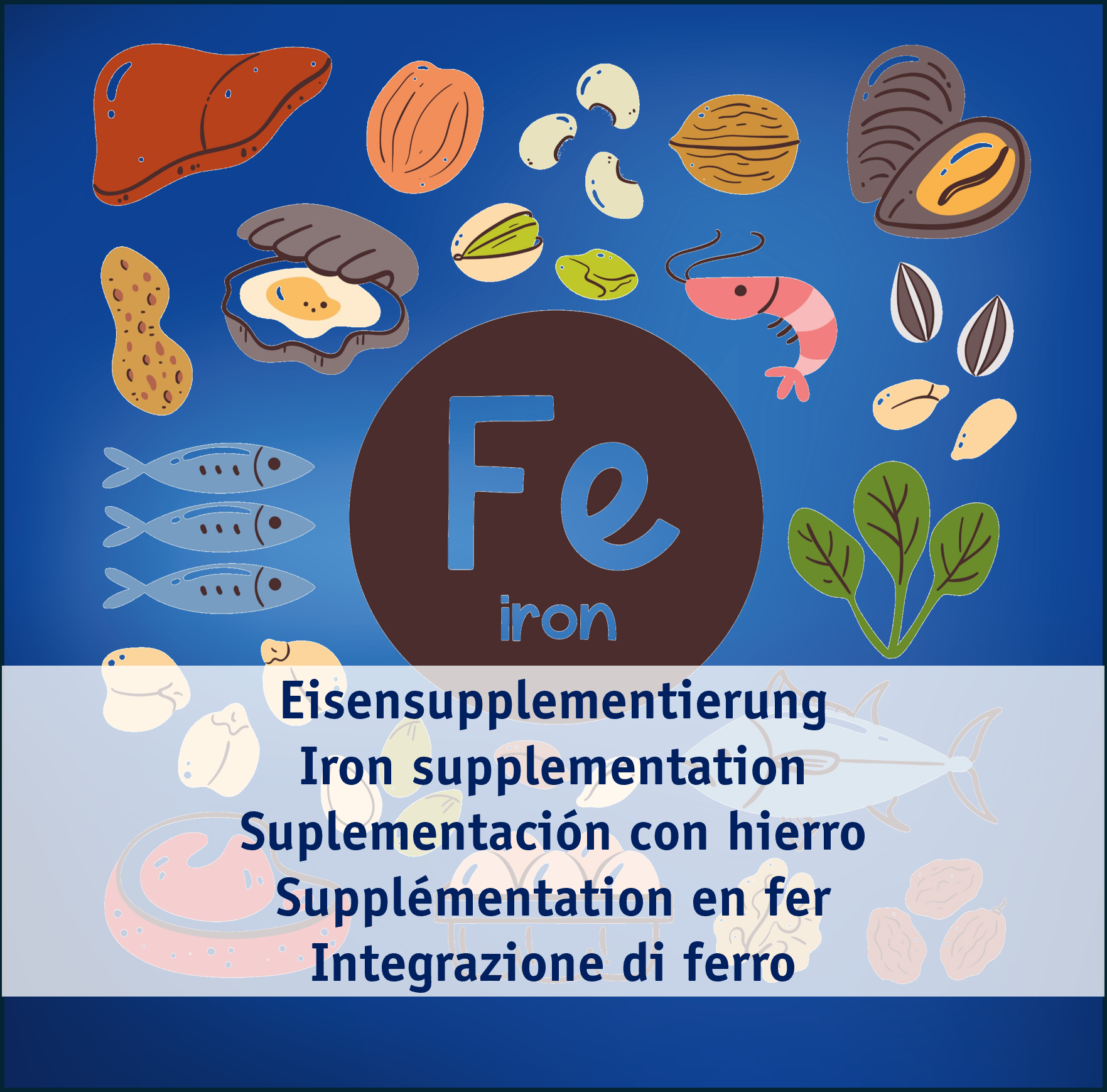
Iron is essential for the formation of hemoglobin and, therefore, for the transport of oxygen in the body.
The current DGE/ÖGE reference values recommend an iron intake of 16 mg per day for menstruating women and 14 mg per day for postmenopausal women. During pregnancy, the requirement increases significantly once again.
It is not only the amount of iron consumed that matters, but also its bioavailability. Iron from animal-based foods is generally absorbed more effectively than plant-based iron. Vitamin C can enhance the absorption of plant-based iron. Therefore, especially for those following a vegetarian or vegan diet, care should be taken to ensure that meals are composed to meet nutritional needs.

Folic Acid – Important during pregnancy
Folate is necessary for cell division and blood formation, among other things. An adequate intake of folate is particularly important around the time of a planned pregnancy.
The DGE recommends that women who wish to become pregnant take 400 µg of folic acid daily in addition to the folate they obtain from their diet. They should begin taking it at least four weeks before becoming pregnant and continue taking it throughout the first trimester.
This makes folate one of the nutrients for which an individual's life circumstances play a particularly important role.
Vitamin D and Calcium – important for bones and muscles
Vitamin D helps maintain normal bones and supports normal muscle function. It also aids in the absorption and utilization of calcium. The body primarily produces vitamin D in the skin when exposed to UVB radiation. In contrast, the diet provides relatively small amounts.
Calcium is an essential component of bones. An adequate intake of calcium and vitamin D is therefore important throughout one’s entire life—especially when it comes to maintaining bone structure in older age.
After menopause, the hormonal conditions governing bone metabolism, among other things, change. An adequate intake of calcium, vitamin D, and other nutrients therefore remains an important part of a balanced diet.
B vitamins, magnesium, zinc, and other micronutrients
In addition to iron, folate, vitamin D, and calcium, numerous other vitamins and minerals play a role in essential bodily functions.
For example, B vitamins support various metabolic processes. Magnesium contributes to normal muscle function and normal energy metabolism. Zinc contributes to the normal function of the immune system and to the protection of cells from oxidative stress.
Selecting micronutrients in a targeted manner
Burgerstein Vitamins stands for a targeted and quality-oriented supply of micronutrients. The focus is not on maximizing the intake of individual nutrients, but rather on supplementing the diet as needed, when this makes sense given a person’s individual circumstances.
After all, proper nutrition starts with knowing what the body actually needs.


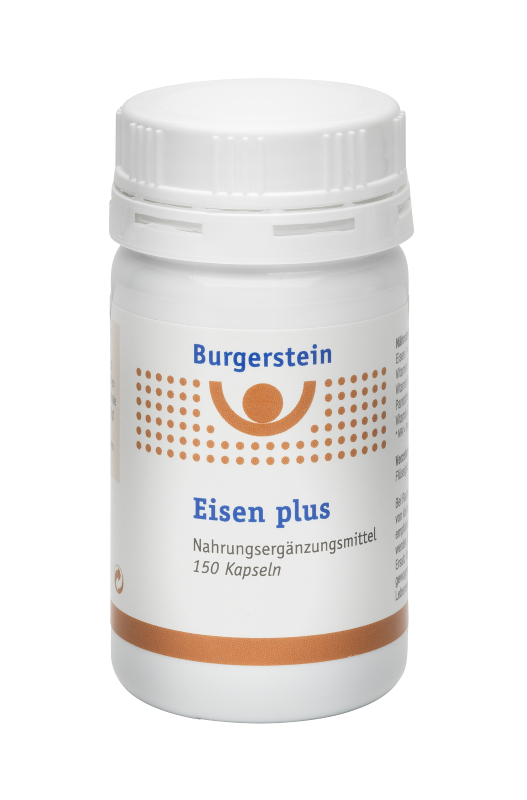
Content: 150 capsules (€0.18* / 1 capsules)

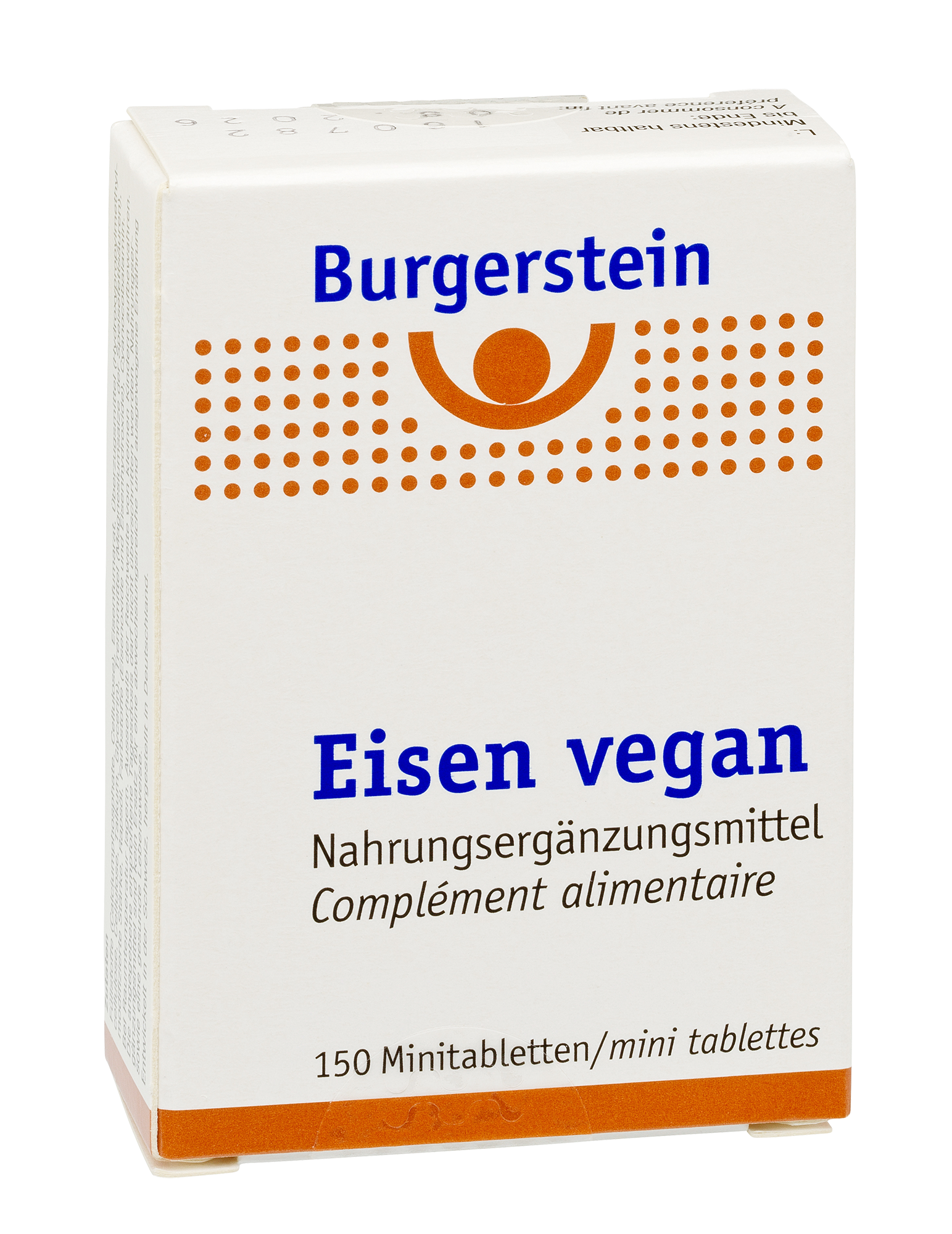
Content: 150 Minitablets (€0.09* / 1 Minitablets)
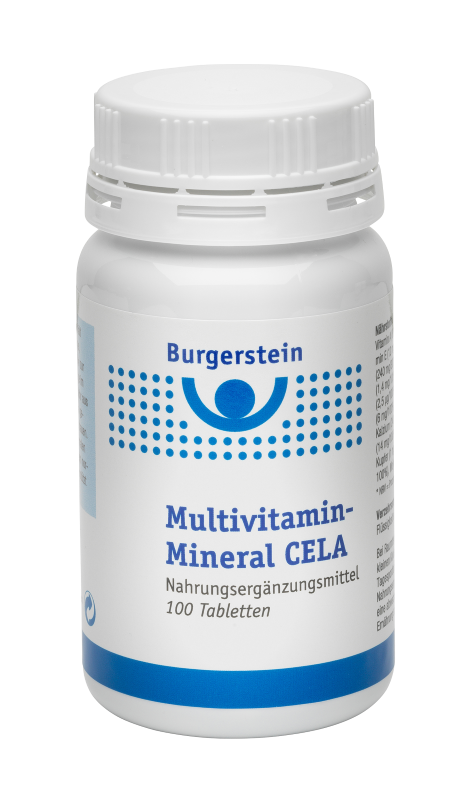
Content: 100 tablets (€0.28* / 1 tablets)

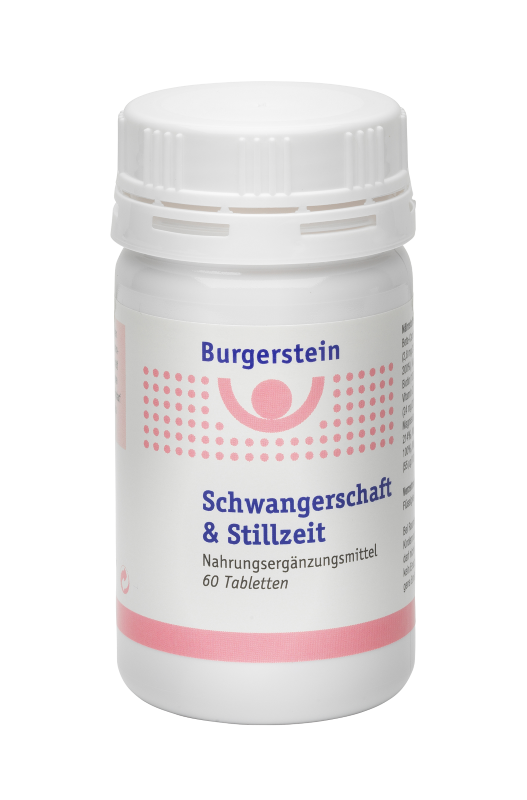
Content: 60 tablets (€0.33* / 1 tablets)
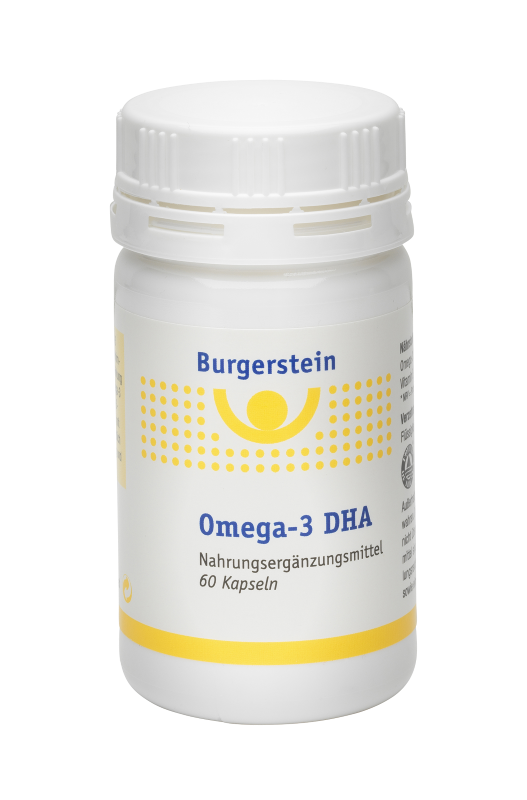
Content: 60 capsules (€0.38* / 1 capsules)



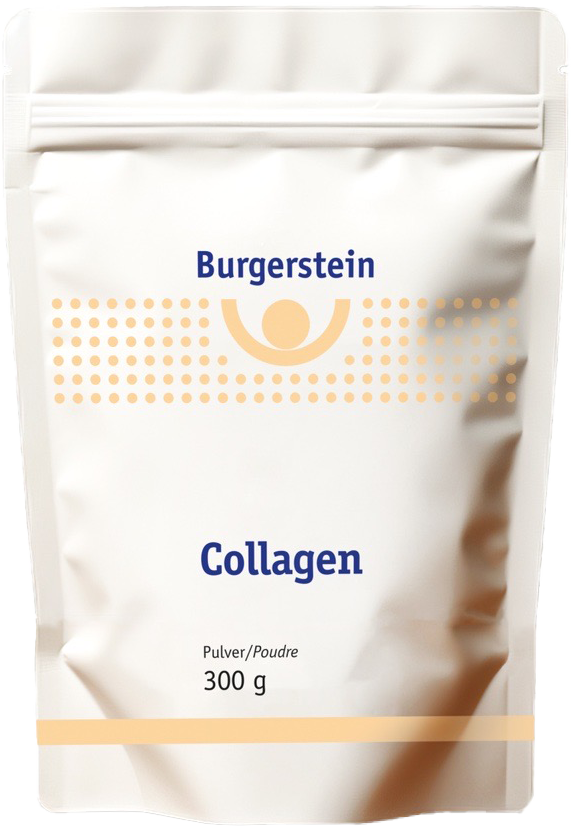
Content: 300 gram (€166.33* / 1000 gram)
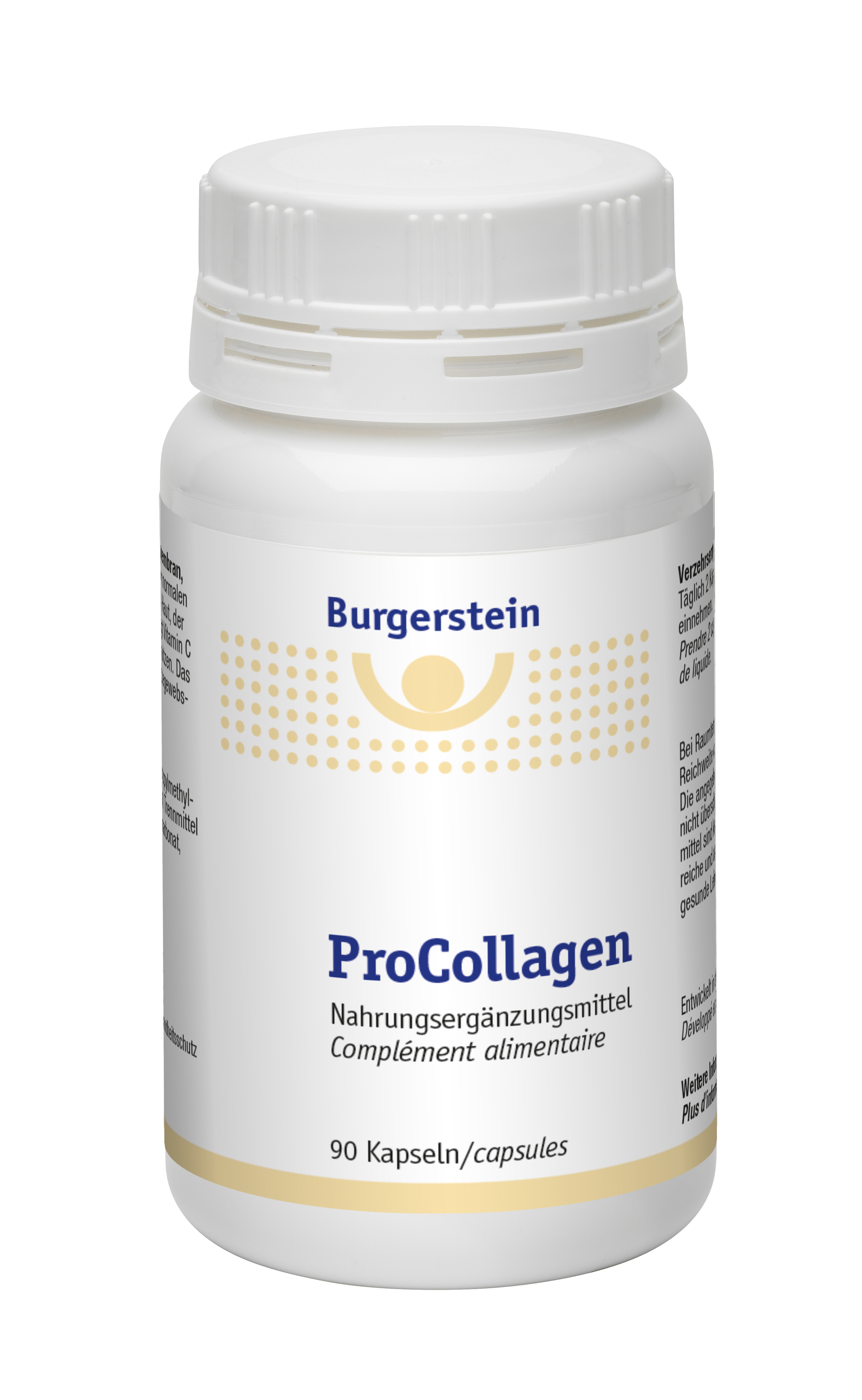
Content: 90 capsules (€0.32* / 1 capsules)

Content: 240 tablets (€0.31* / 1 tablets)
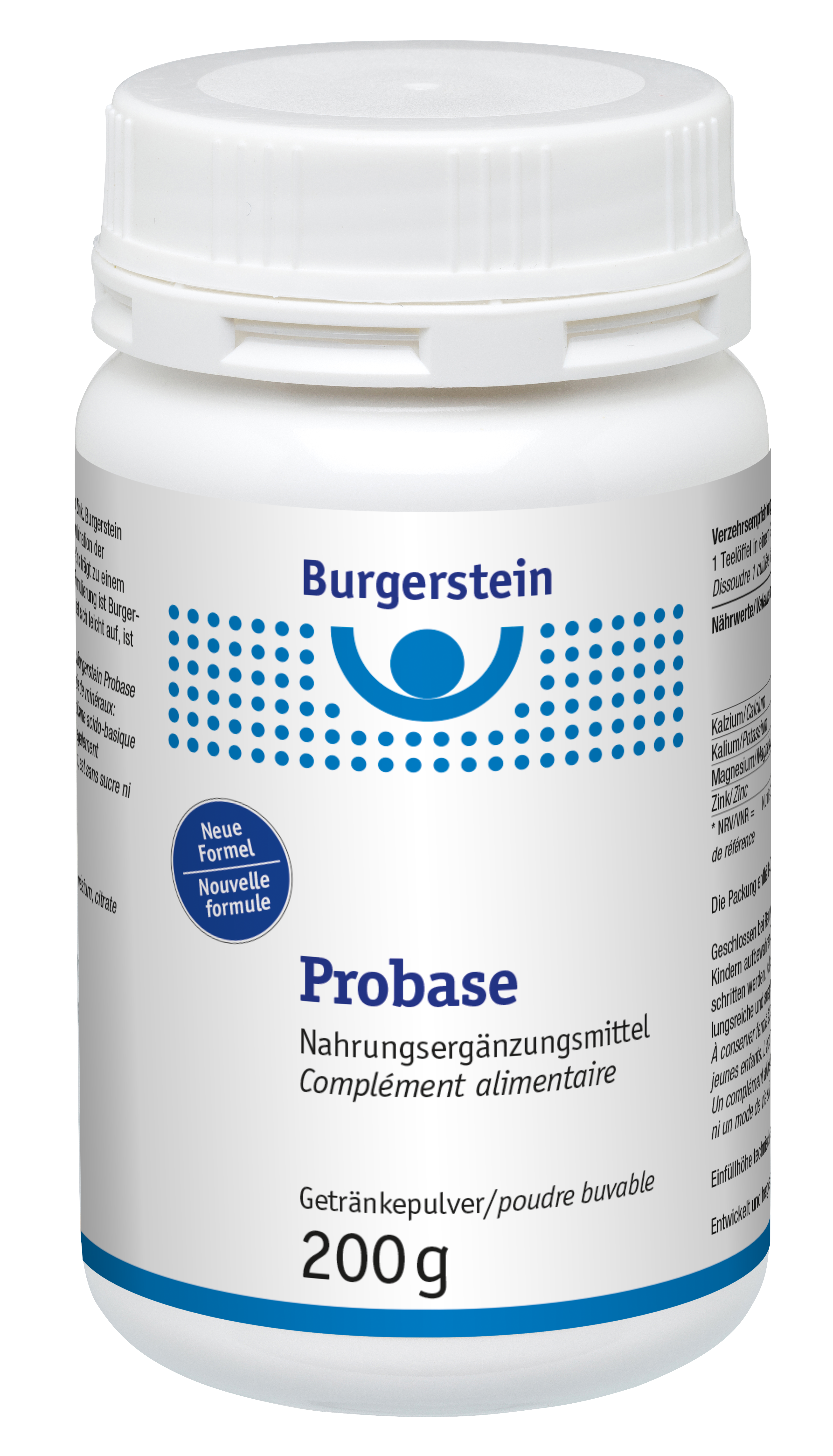
Content: 200 gram (€121.15* / 1000 gram)
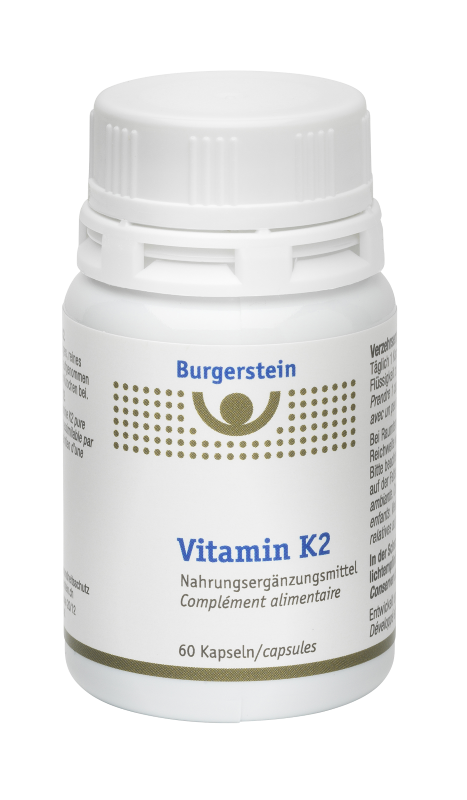
Content: 60 capsules (€0.44* / 1 capsules)
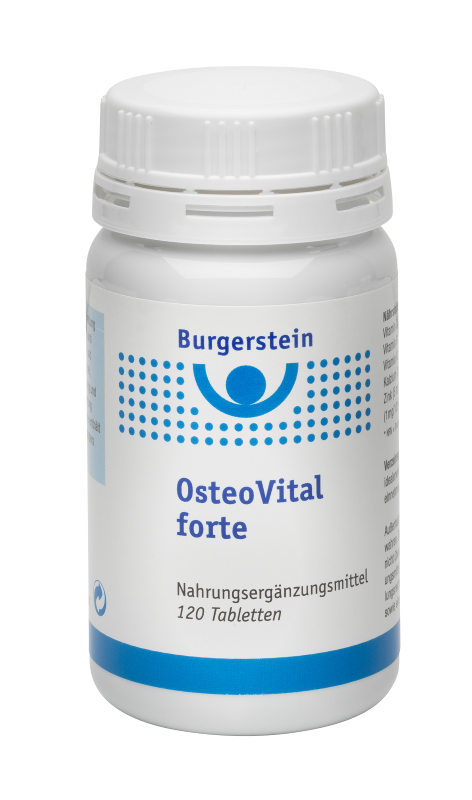
Content: 120 tablets (€0.31* / 1 tablets)
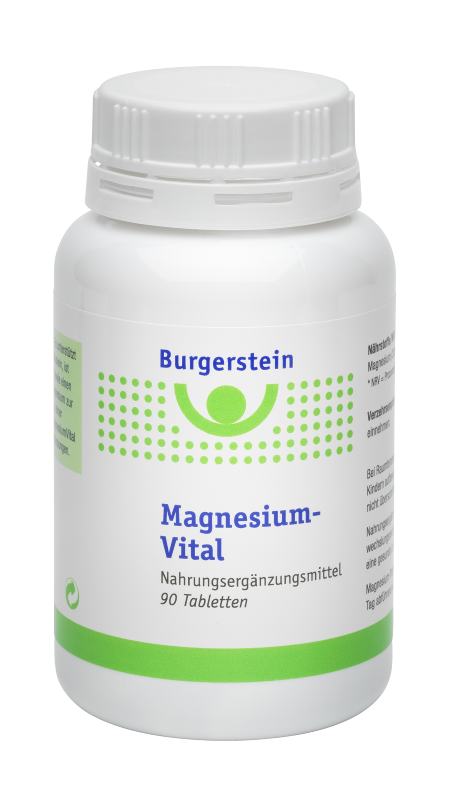
Content: 90 tablets (€0.28* / 1 tablets)
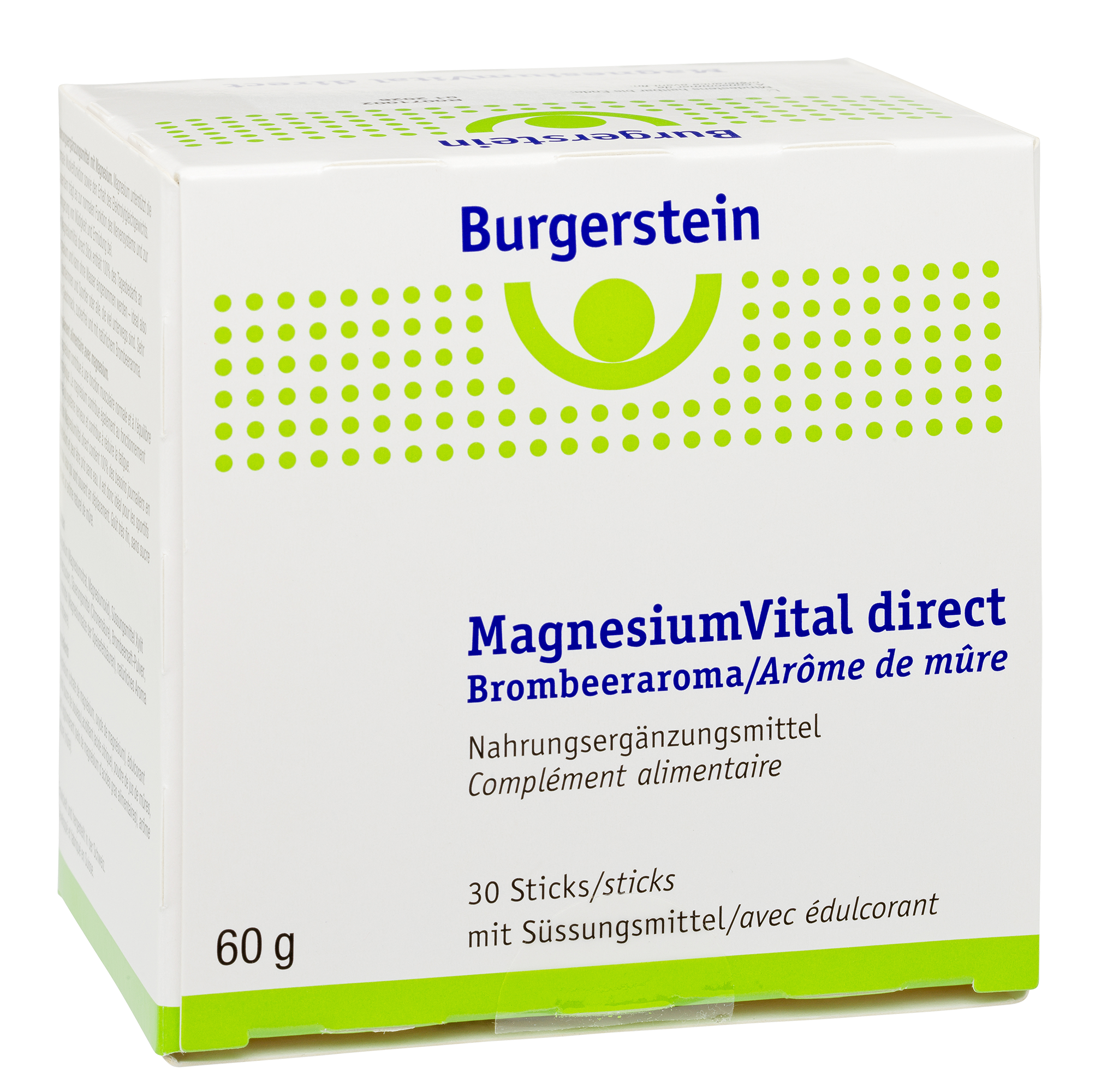
Content: 30 bag (€0.70* / 1 bag)



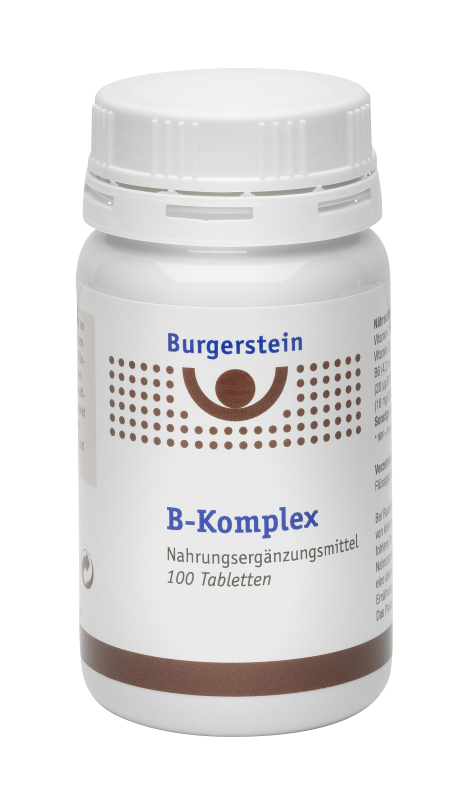
Content: 100 tablets (€0.21* / 1 tablets)
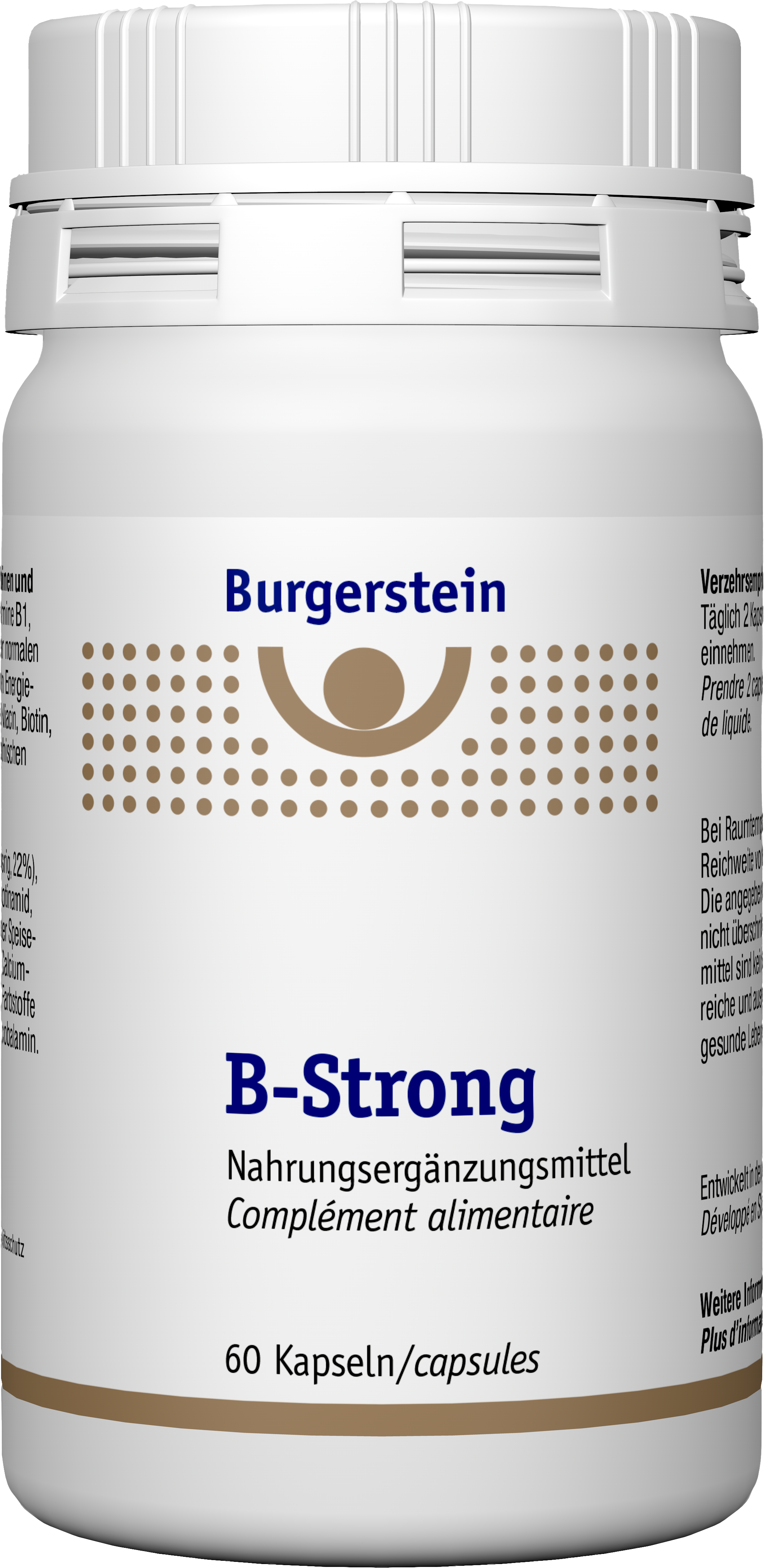
Content: 60 capsules (€0.46* / 1 capsules)
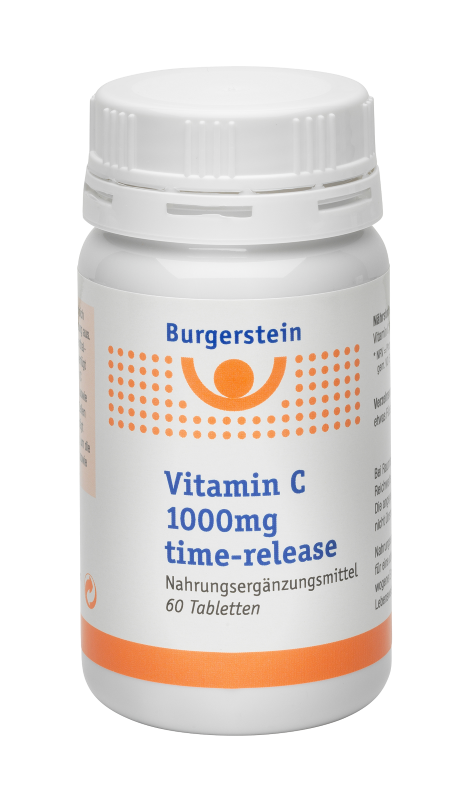
Content: 60 tablets (€0.43* / 1 tablets)
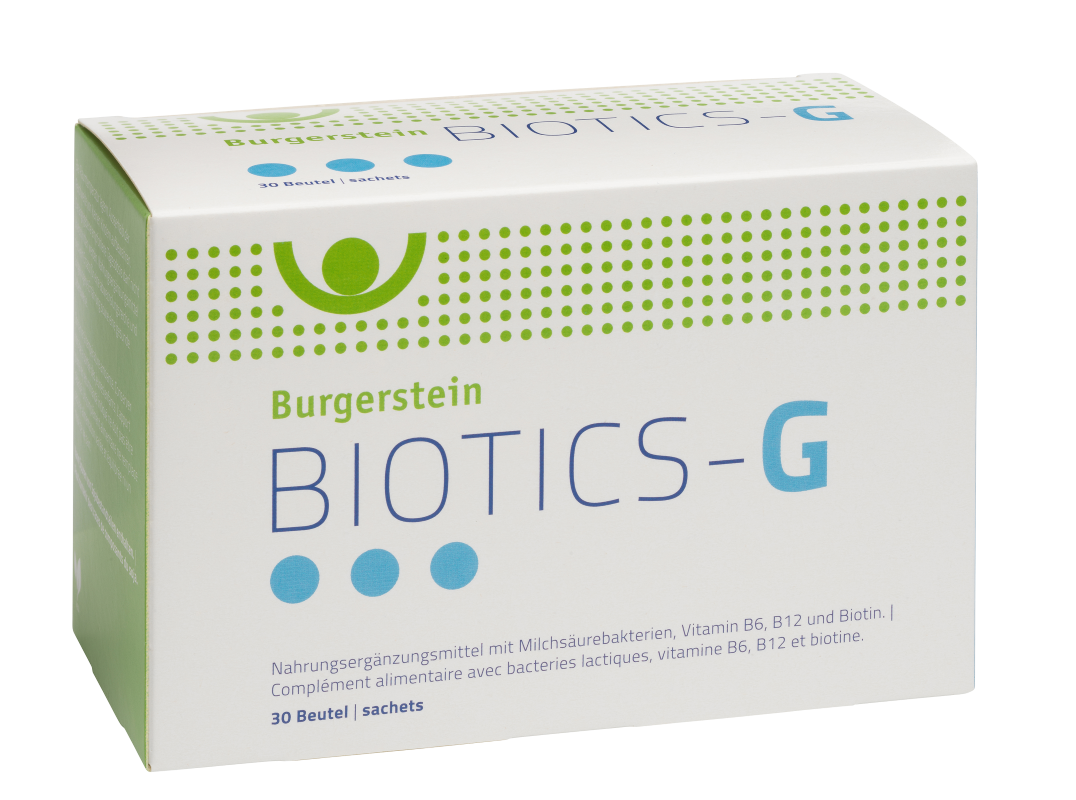
Content: 30 bag (€1.21* / 1 bag)
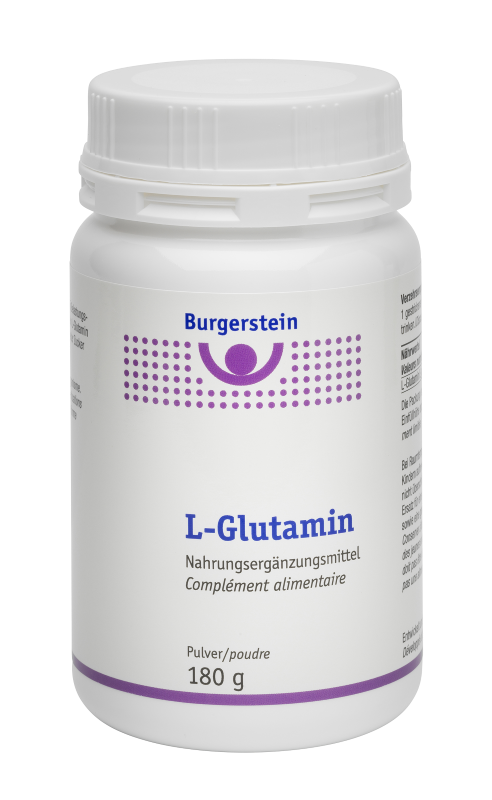
Content: 180 gram (€132.89* / 1000 gram)
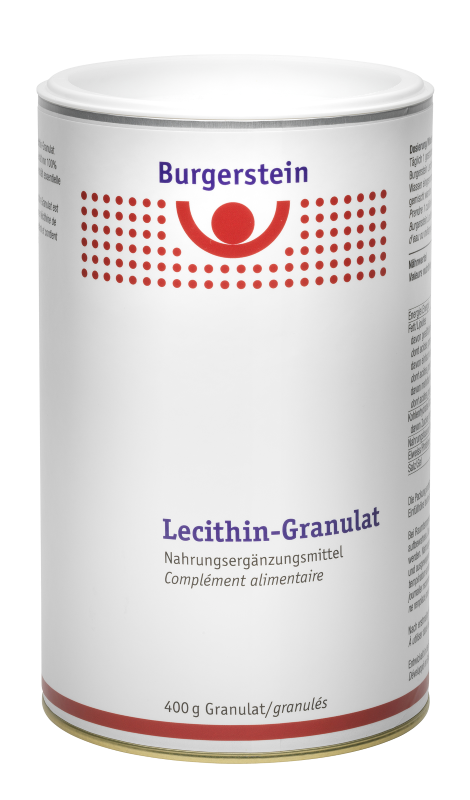
Content: 400 gram (€106.05* / 1000 gram)
Weitere interessante Produkte
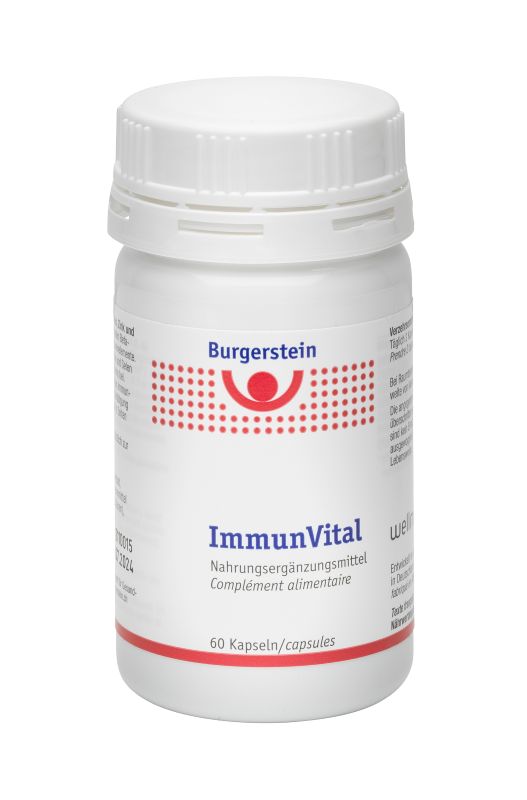
Content: 60 capsules (€0.41* / 1 capsules)
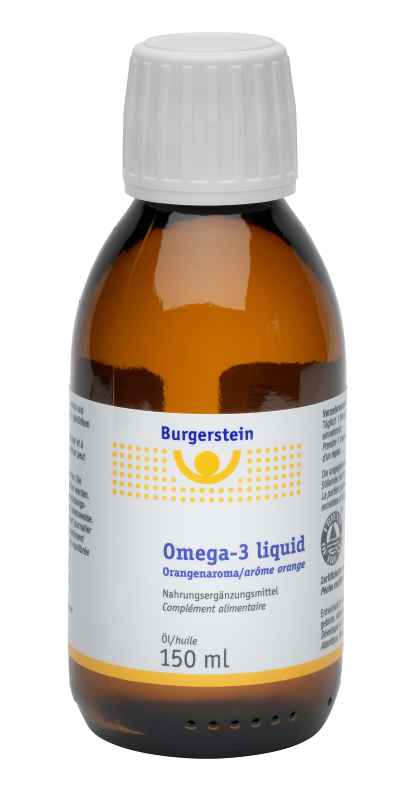
Content: 150 ml / liquid (€0.16* / 1 ml / liquid)

Content: 60 capsules (€0.51* / 1 capsules)
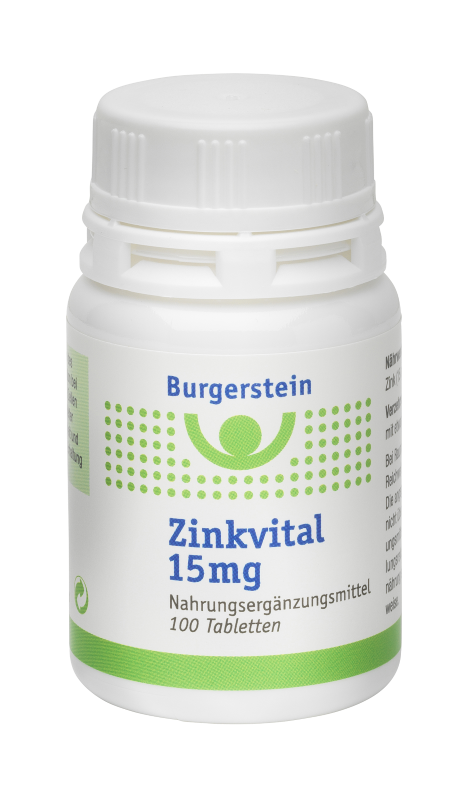
Content: 100 tablets (€0.19* / 1 tablets)
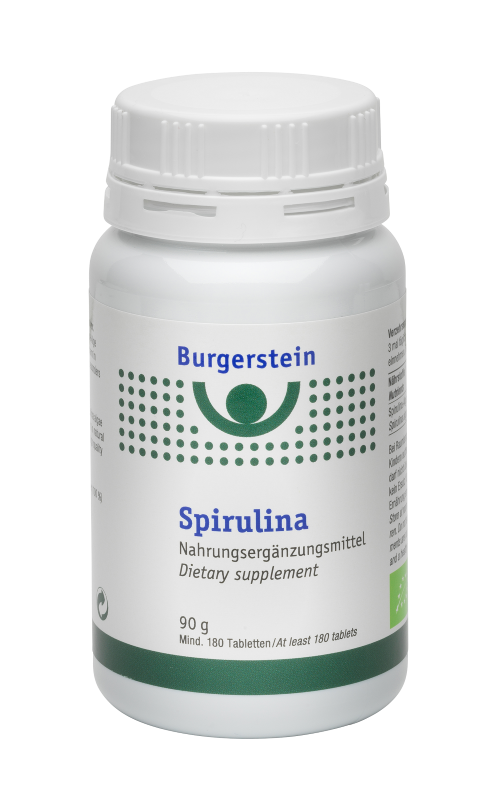
Content: 180 tablets (€0.13* / 1 tablets)
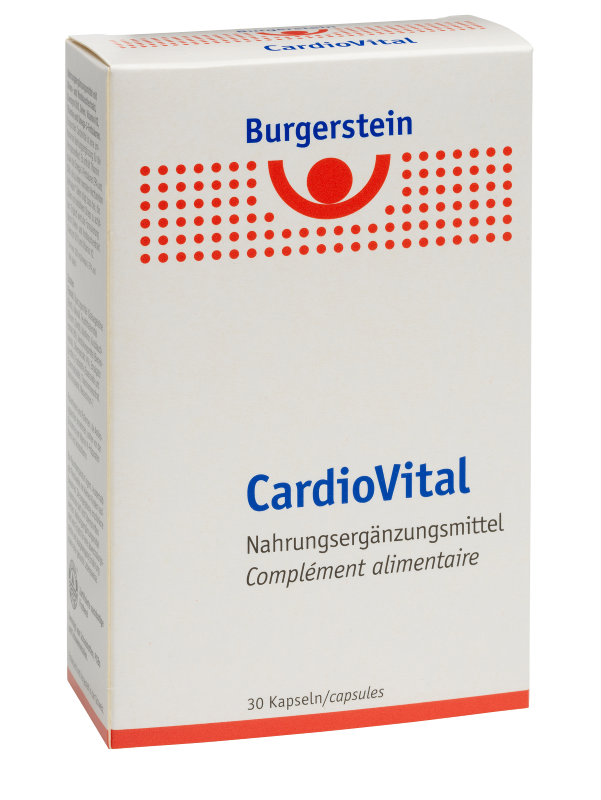
Content: 30 capsules (€1.18* / 1 capsules)