

Children and adolescents have special needs due to their growth, their school activities and their urge to exercise. In addition to a healthy diet, support is needed from time to time to ensure that the micronutrient balance does not get out of balance.
Whether it's B vitamins (especially in a meatless diet), calcium, iron and vitamin C (skeletal growth) or zinc (immune system), the body often consumes more micronutrients than it can get from a healthy diet.
Children often take part in sports clubs and thus consume even more micronutrients than the body already needs for growth. A temporary supplement can do no harm and helps to promote healthy development.
An overview of the most important micronutrients
1. Iron – especially important
Iron deficiency is particularly significant in children and adolescents. Iron is necessary for hemoglobin production and oxygen transport; it also plays a role in various metabolic processes and normal cognitive development. In adolescents, its importance increases, particularly in girls after the onset of menstruation. The current literature continues to identify iron deficiency as the most common micronutrient deficiency in this age group.2.Vitamin D—especially important
Vitamin D plays a key role in calcium and phosphorus metabolism, as well as in the normal development and maintenance of bones. Insufficient intake can contribute to impaired bone mineralization in children and adolescents. The WHO specifically highlights the importance of vitamin D and calcium in the prevention of diet-related rickets.3. Iodine – Important for Growth and Development
Iodine is needed for the production of thyroid hormones. These hormones are important for growth and development, among other things. An insufficient intake of iodine can therefore be particularly significant during the growth phase.4. Calcium – important during growth
Calcium is particularly important for skeletal development and mineralization. The body’s need for calcium increases with age and peaks during adolescence. For example, the DGE/ÖGE reference values range from 1,100 to 1,200 mg per day for various age groups starting at school age.5. Zinc – important for growth and the immune system
Zinc is involved in numerous enzymatic processes and contributes, among other things, to the normal functioning of the immune system, cell division, and normal metabolism. The current literature identifies zinc, along with iron and vitamin D, as one of the micronutrients for which there may be an increased risk of deficiency in children and adolescents.6. Vitamin B12 – especially for those on a vegan diet
In a strictly plant-based diet, vitamin B12 is a particularly critical nutrient. A deficiency can, among other things, impair blood formation and the nervous system. For a general children’s brochure, I would therefore not present B12 as a “common nutrient deficiency,” but rather clearly link it to dietary patterns and at-risk groups.
Here you'll find more information on micronutrients, nutrition, and our brochure for children and teens.




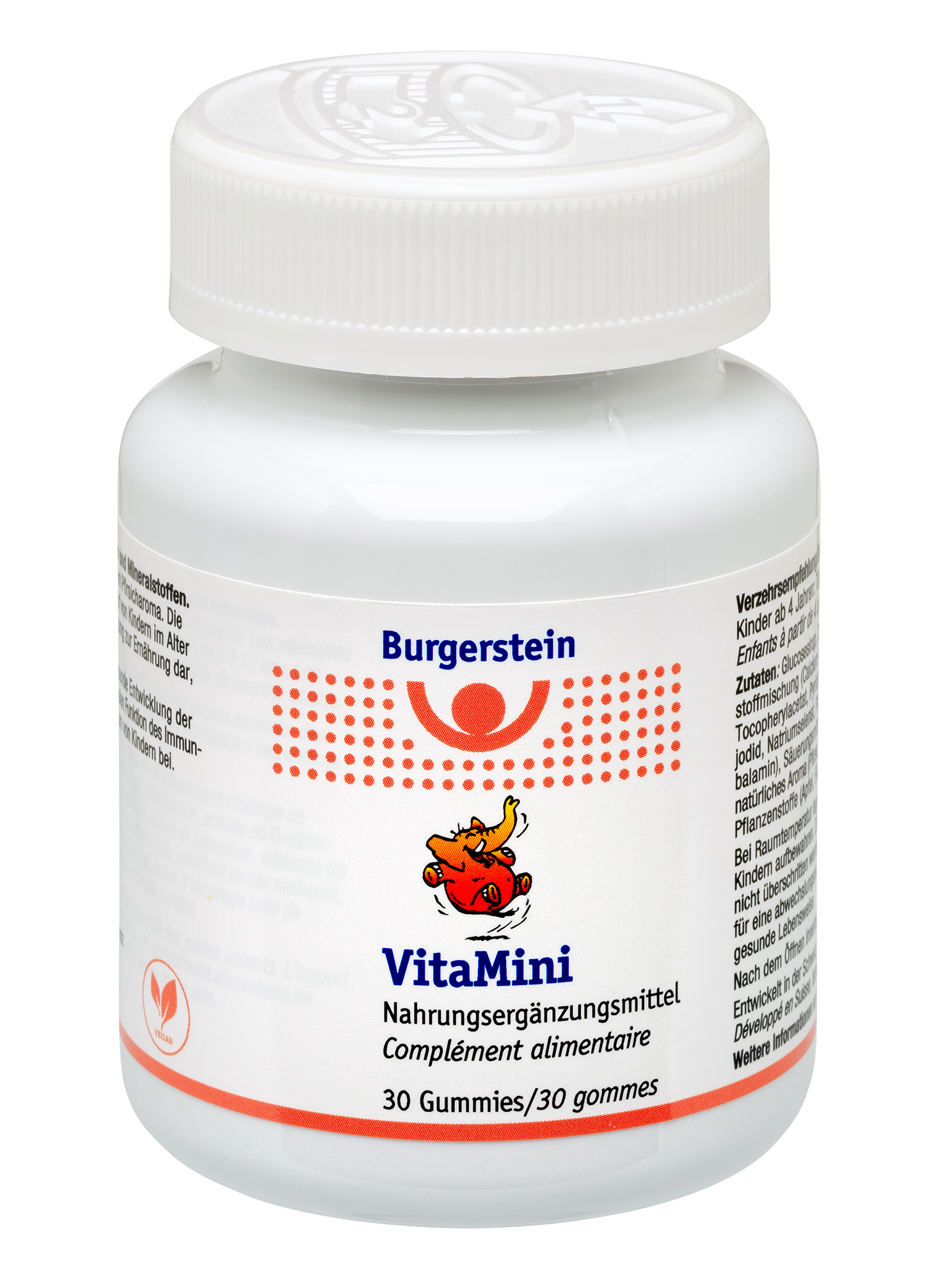
Content: 30 Gummies (€0.51* / 1 Gummies)
Content: 60 Gummies (€0.45* / 1 Gummies)

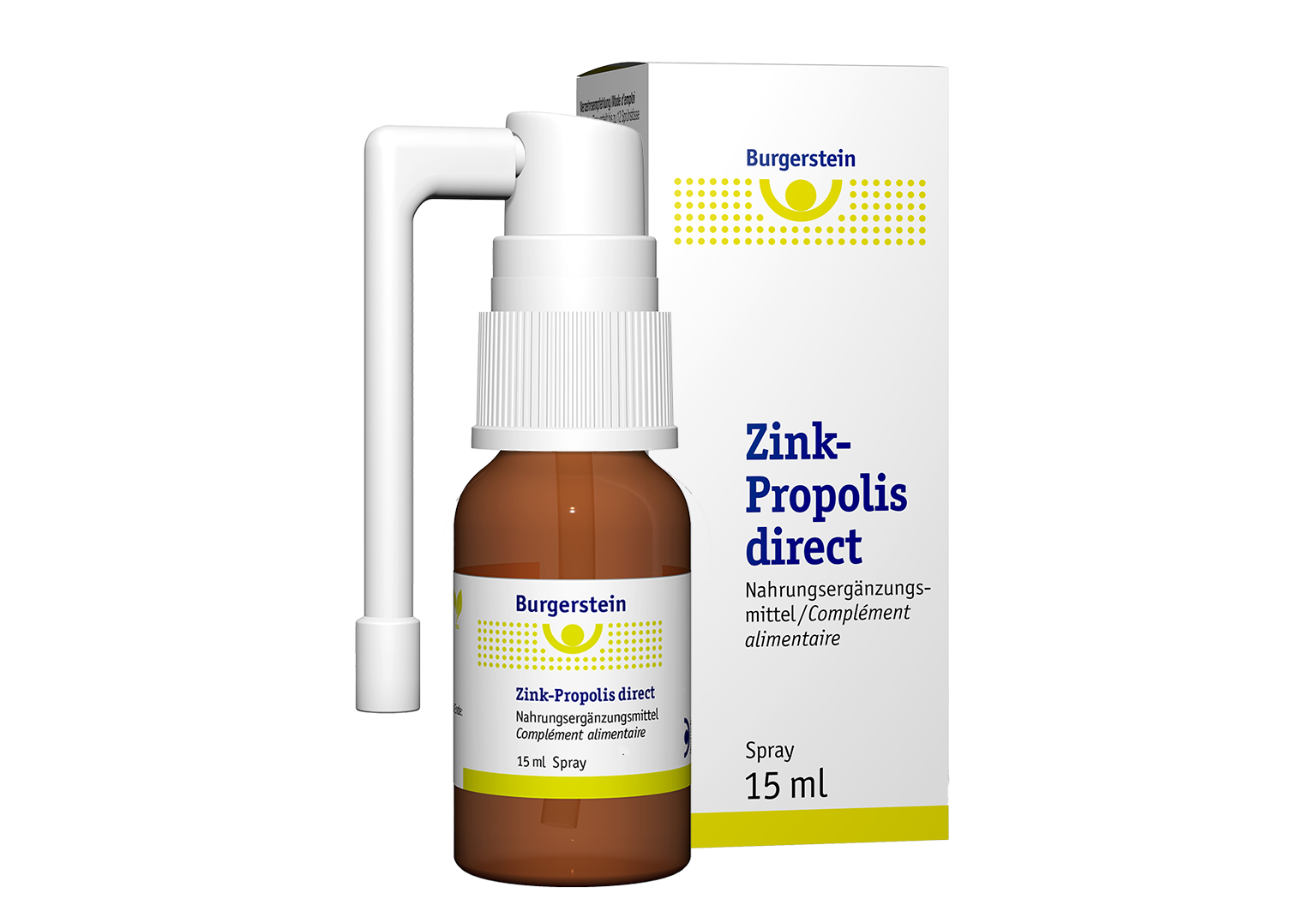
Content: 15 ml / liquid (€85.47* / 100 ml / liquid)
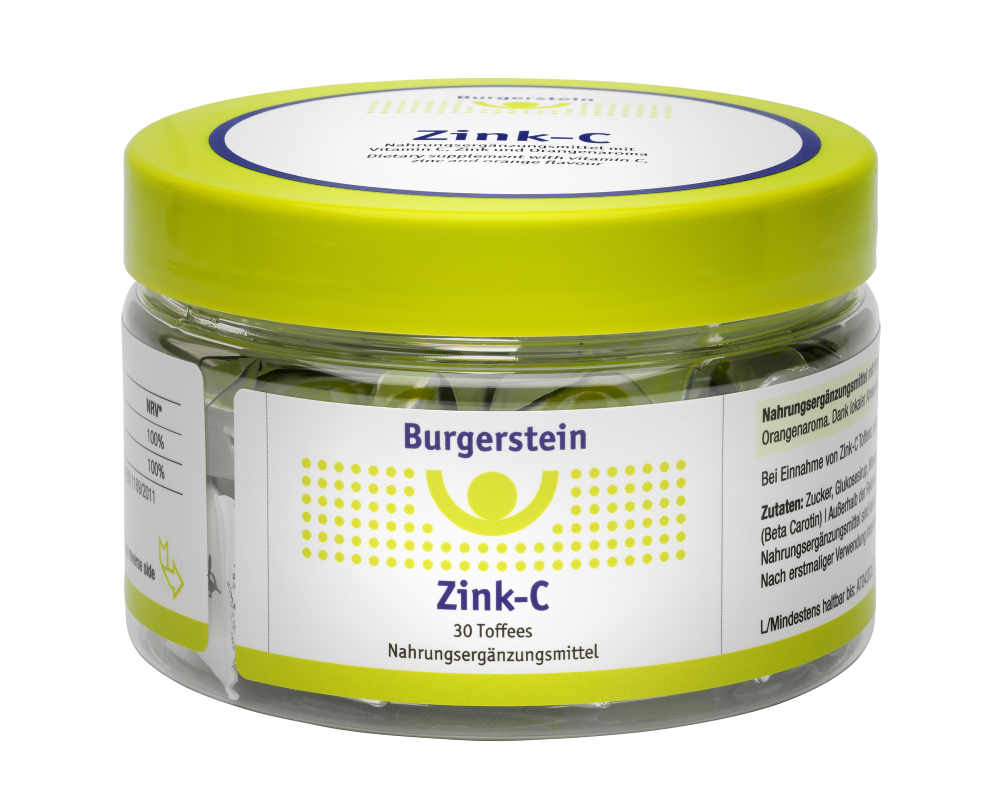
Content: 30 toffees (€0.51* / 1 toffees)
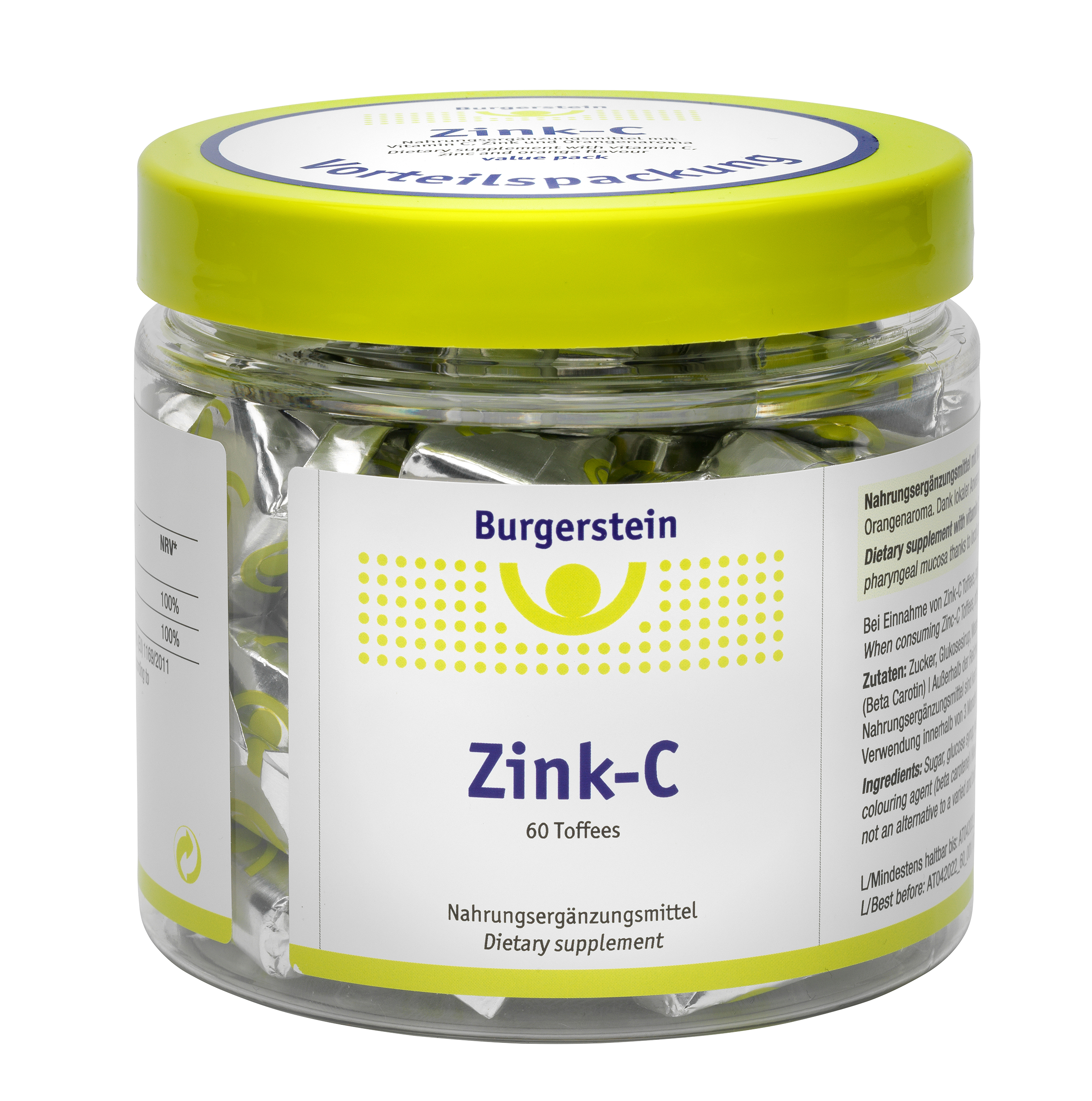
Content: 60 toffees (€0.43* / 1 toffees)
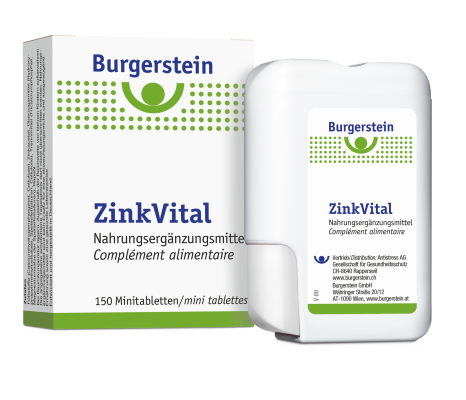
Content: 150 Minitablets (€0.11* / 1 Minitablets)



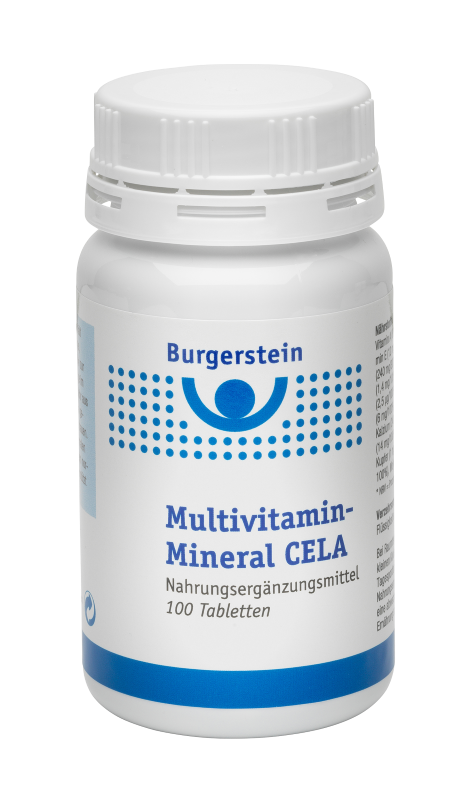
Content: 100 tablets (€0.28* / 1 tablets)
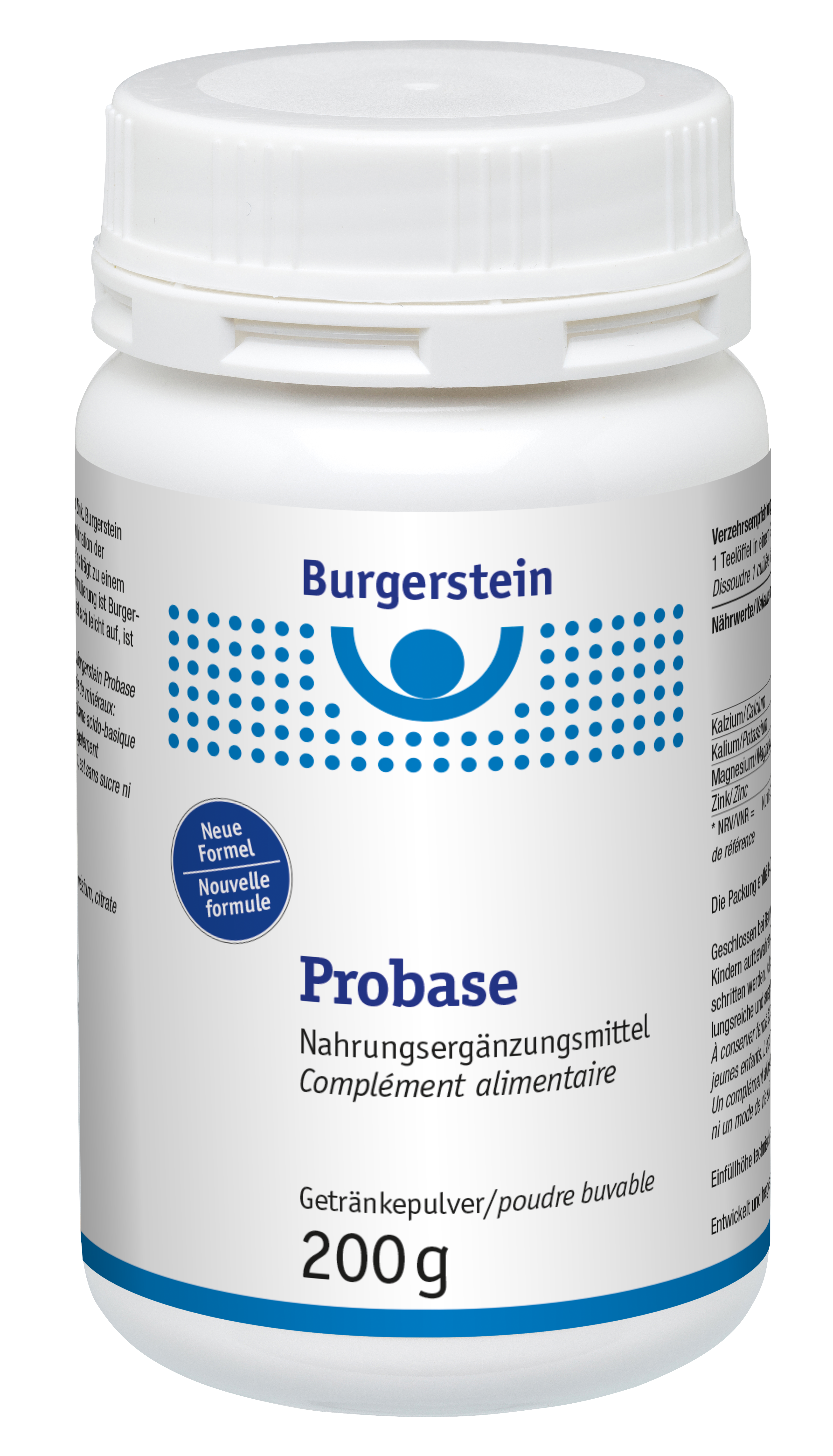
Content: 200 gram (€121.15* / 1000 gram)
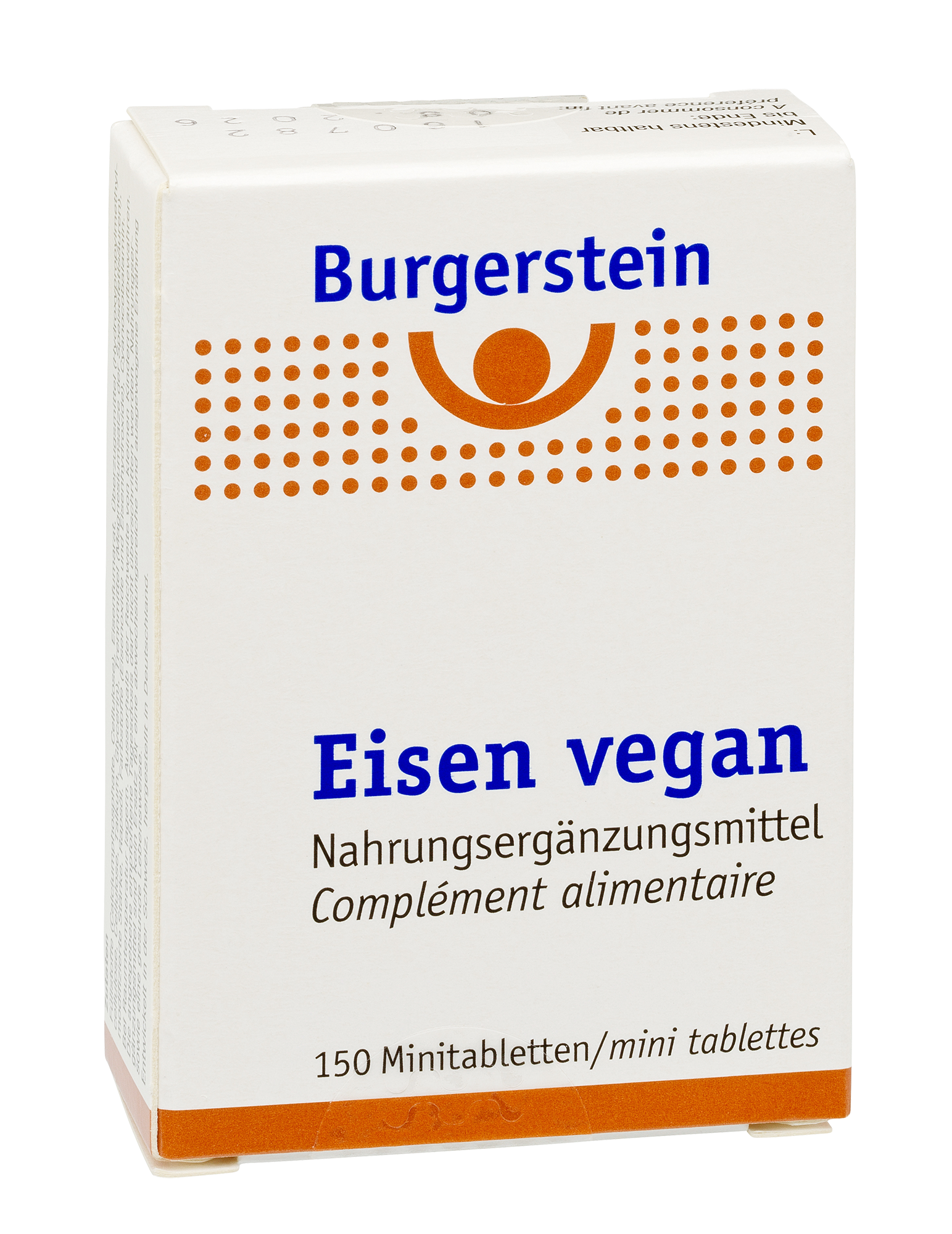
Content: 150 Minitablets (€0.09* / 1 Minitablets)
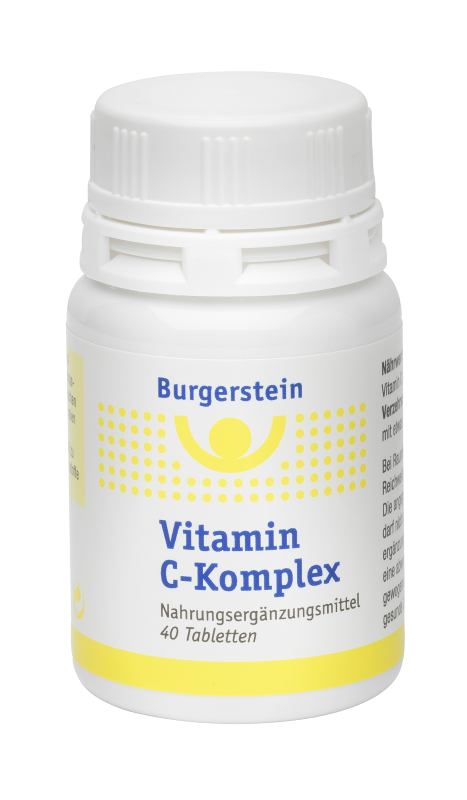
Content: 40 tablets (€0.26* / 1 tablets)
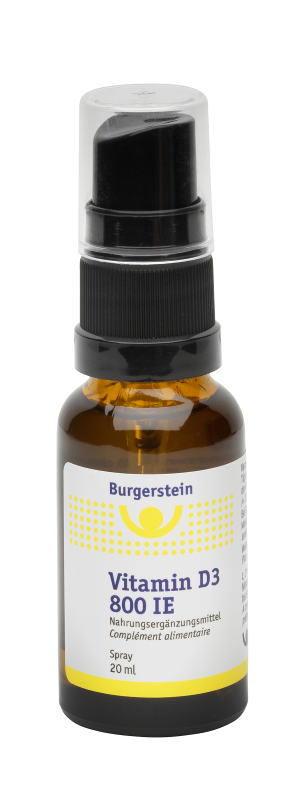
Content: 20 ml / liquid (€0.82* / 1 ml / liquid)

Content: 60 capsules (€0.45* / 1 capsules)


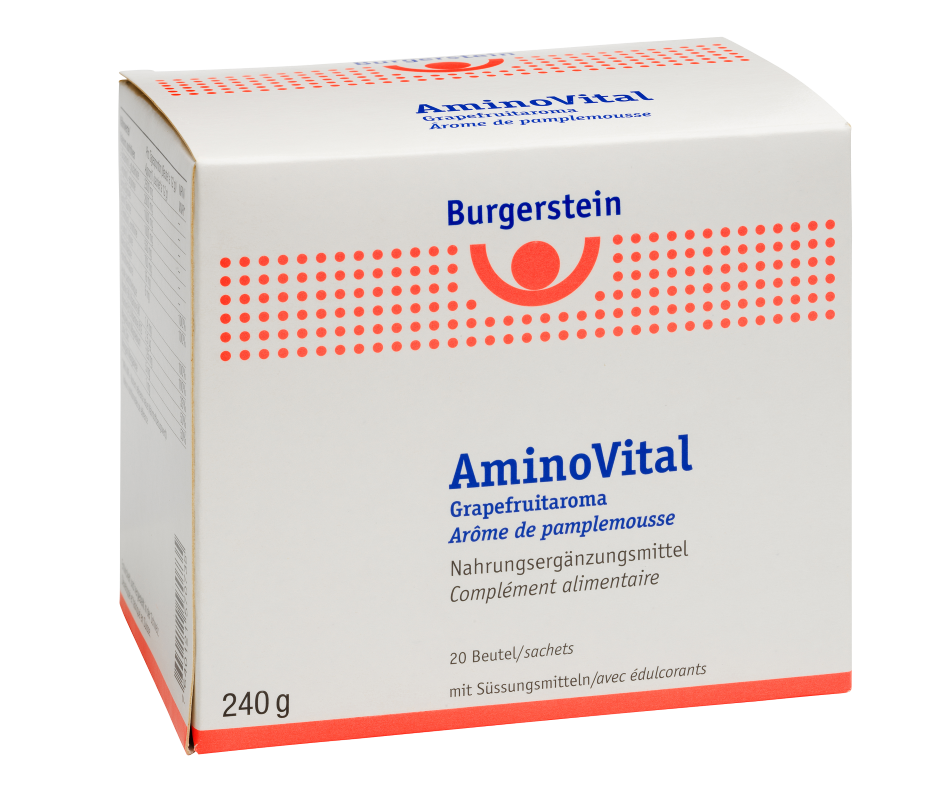
Content: 20 bag (€2.06* / 1 bag)
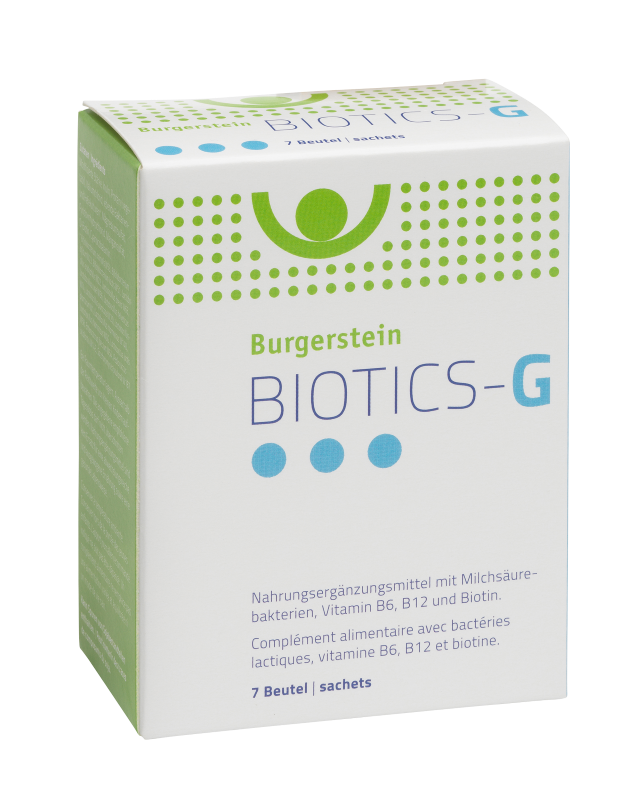
Content: 7 bag (€1.54* / 1 bag)
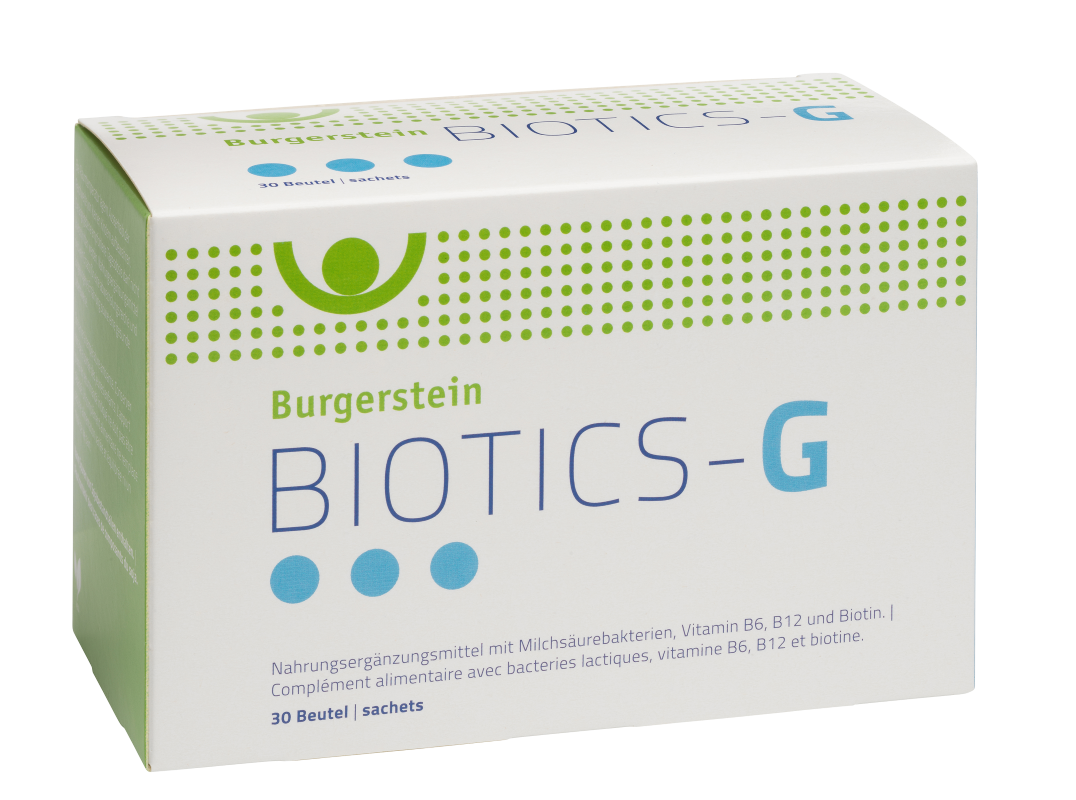
Content: 30 bag (€1.21* / 1 bag)
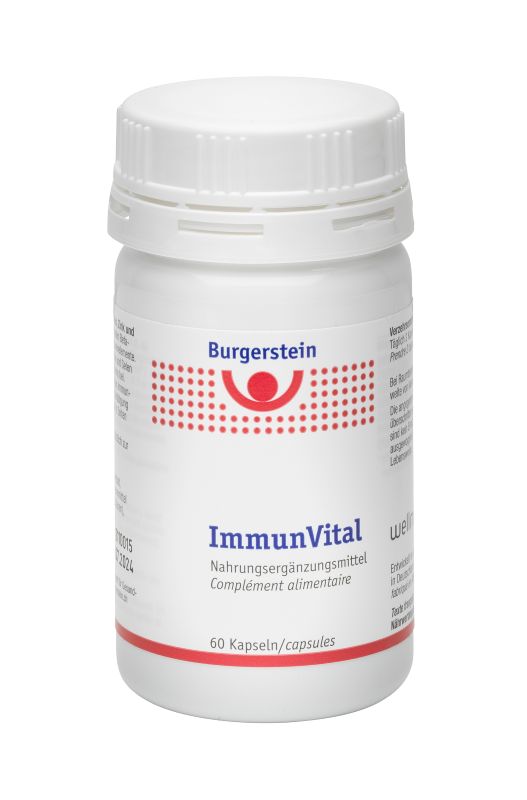
Content: 60 capsules (€0.41* / 1 capsules)
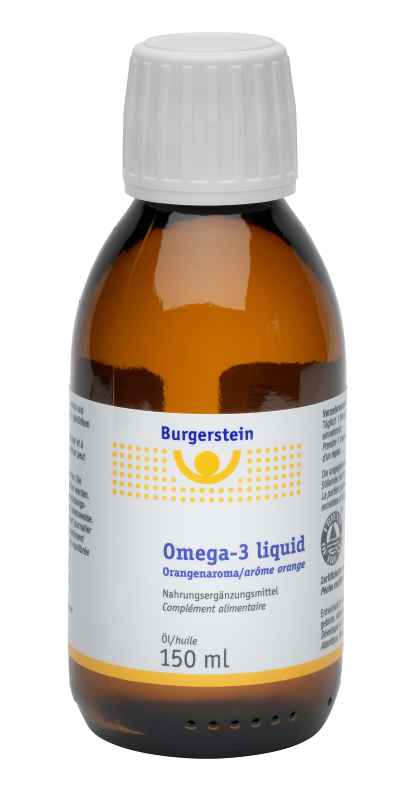
Content: 150 ml / liquid (€0.16* / 1 ml / liquid)
Content: 20 bag (€2.06* / 1 bag)
Other interesting products:
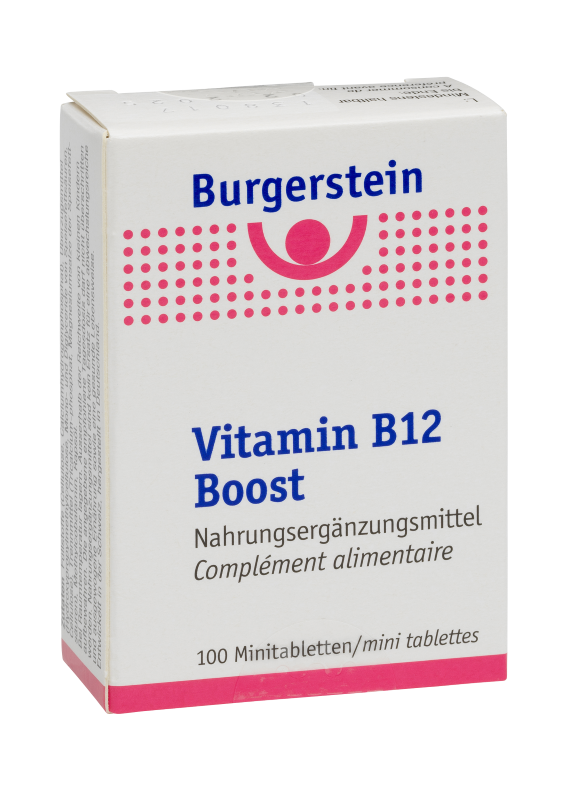
Content: 100 Minitablets (€0.21* / 1 Minitablets)
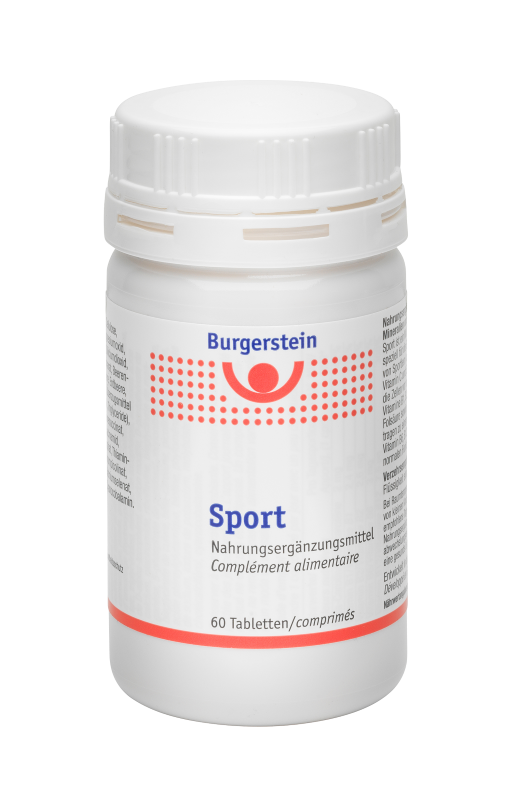
Content: 60 tablets (€0.40* / 1 tablets)
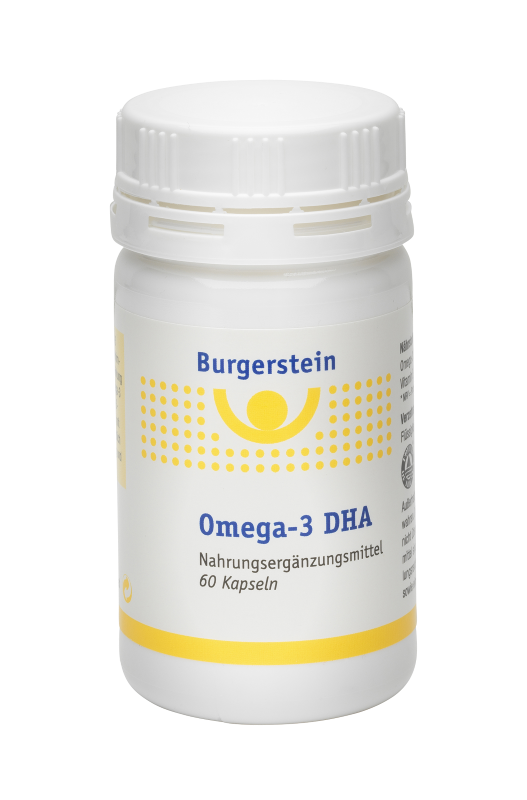
Content: 60 capsules (€0.38* / 1 capsules)
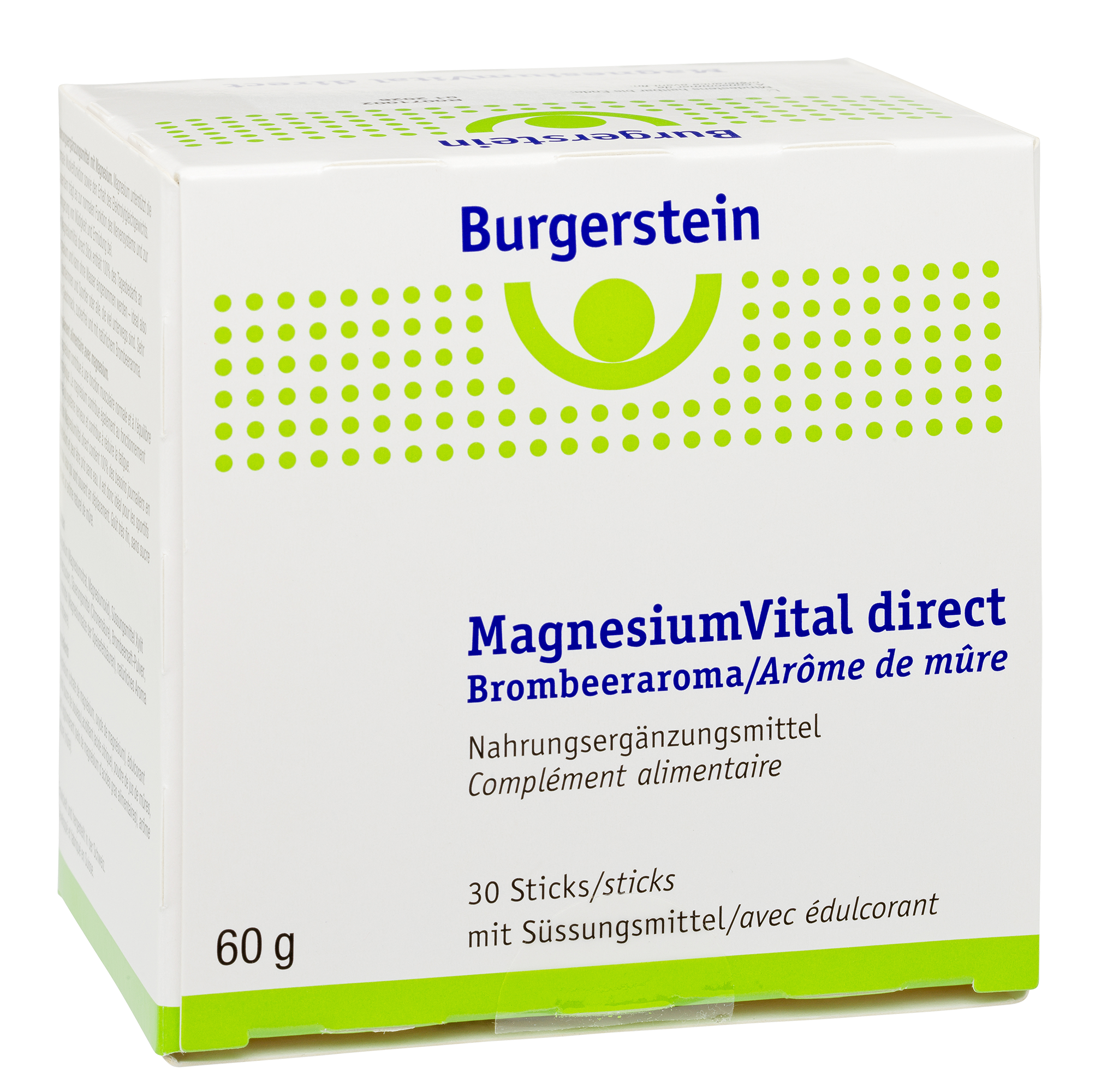
Content: 30 bag (€0.70* / 1 bag)
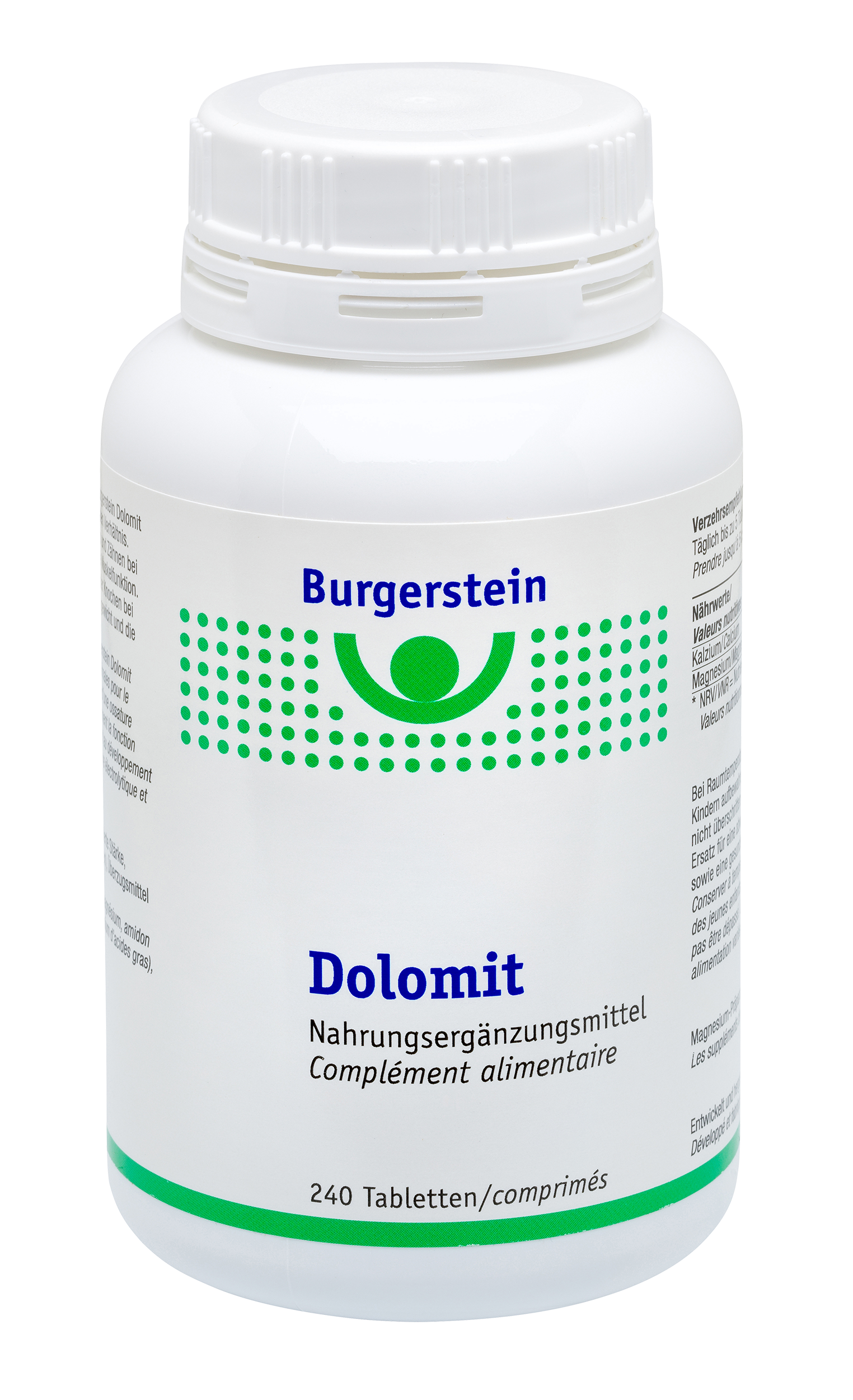
Content: 240 tablets (€0.12* / 1 tablets)