

Micronutrients play a role in numerous vital processes in the body—from energy production and muscle metabolism to the immune system, cell protection, and reproduction.
A balanced diet is the foundation for an adequate intake of vitamins and minerals. Individual needs depend, among other things, on age, height, physical activity, and diet. Therefore, the same applies to men: It is crucial to ensure an adequate intake of all essential micronutrients based on individual needs.
Nutrients with important functions for men
Zinc – for metabolism, the immune system, and reproduction
Zinc is a component of numerous enzymes and contributes to the normal functioning of the immune system, normal acid-base balance, and normal carbohydrate metabolism. In addition, zinc contributes to normal fertility and reproduction, as well as to the maintenance of normal testosterone levels in the blood.
Selenium – for cell protection and spermatogenesis
Selenium helps protect cells from oxidative stress and supports the normal functioning of the immune system and the thyroid gland. In addition, it is scientifically recognized that selenium contributes to normal spermatogenesis.
Magnesium – for muscles, energy, and the nervous system
Magnesium contributes to normal energy metabolism, normal muscle function, and normal nervous system function. Magnesium also helps reduce tiredness and fatigue and contributes to electrolyte balance.

Vitamin D – for muscles, bones, and the immune system
Vitamin D helps maintain normal muscle function and normal bones. It also helps support normal immune system function and the normal absorption and utilization of calcium and phosphorus.
B Vitamins – for energy metabolism
Several B vitamins play key roles in metabolism. For example, vitamins B1, B2, B6, B12, niacin, and pantothenic acid contribute to normal energy metabolism. Vitamins B6 and B12 also contribute to the normal functioning of the nervous system.
Taking a targeted look at micronutrient intake
Micronutrient requirements cannot be determined based on gender alone. Age, diet, physical activity, and individual circumstances all influence nutrient intake. The EFSA’s scientific reference values therefore take into account different population groups and living conditions.
A balanced and varied diet should always serve as the foundation. Dietary supplements can help specifically supplement the daily intake of selected micronutrients when this is appropriate based on an individual’s diet or lifestyle.
Burgerstein – A systematic approach to micronutrients
Burgerstein develops micronutrient products based on scientific findings and with a commitment to using carefully selected raw materials and carefully balanced formulations.
From individual micronutrients to comprehensive combination supplements: The focus is on targeted supplementation tailored to different life stages and needs.
Quality is no accident.



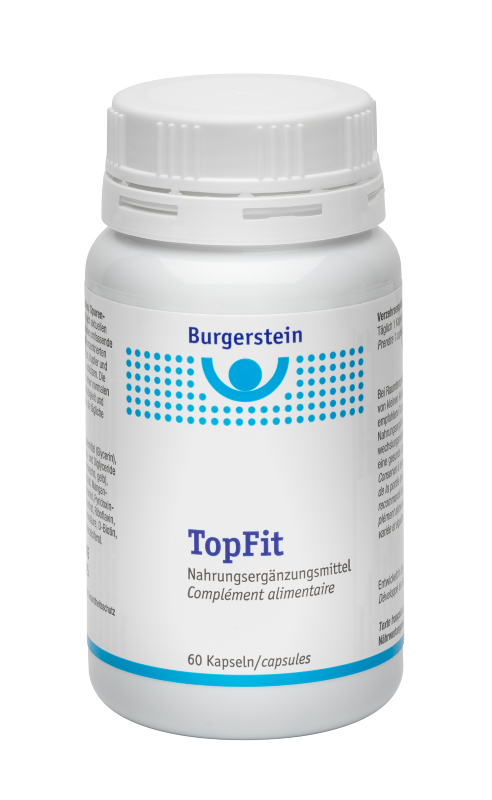
Content: 60 capsules (€0.44* / 1 capsules)


Content: 60 tablets (€0.40* / 1 tablets)


Content: 20 bag (€2.06* / 1 bag)

Content: 90 tablets (€0.28* / 1 tablets)

Content: 30 bag (€0.70* / 1 bag)

Content: 30 capsules (€1.08* / 1 capsules)



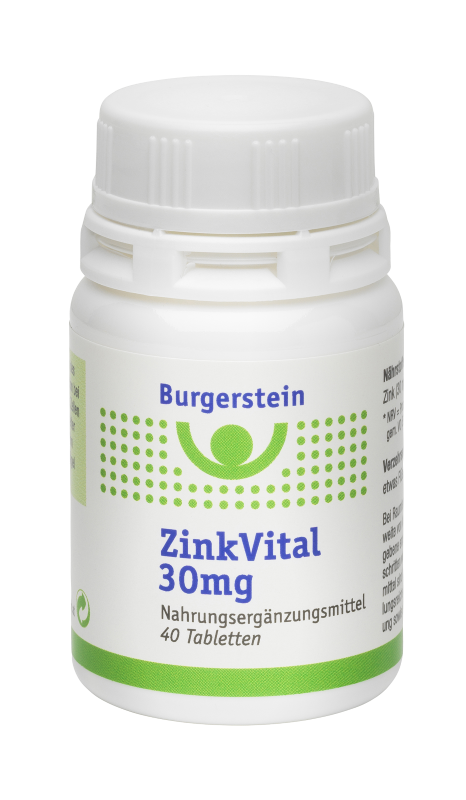
Content: 100 tablets (€0.25* / 1 tablets)

Content: 100 tablets (€0.18* / 1 tablets)
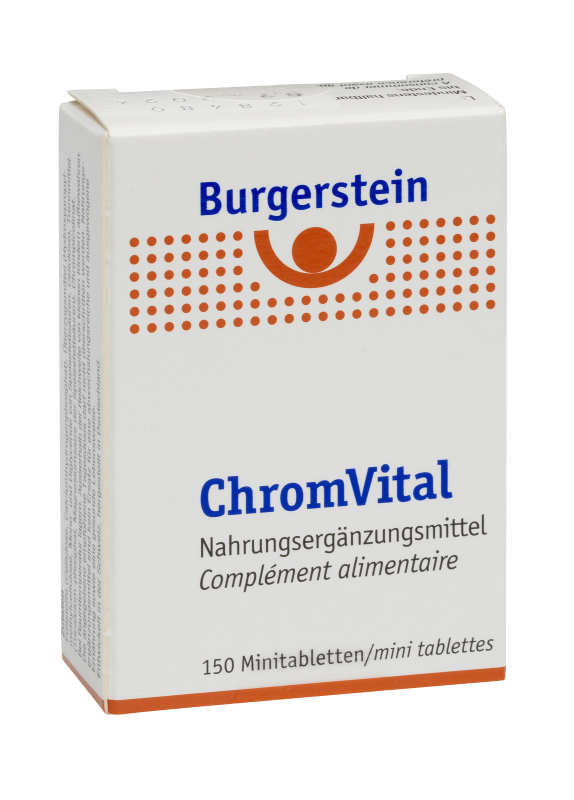
Content: 150 Minitablets (€0.15* / 1 Minitablets)
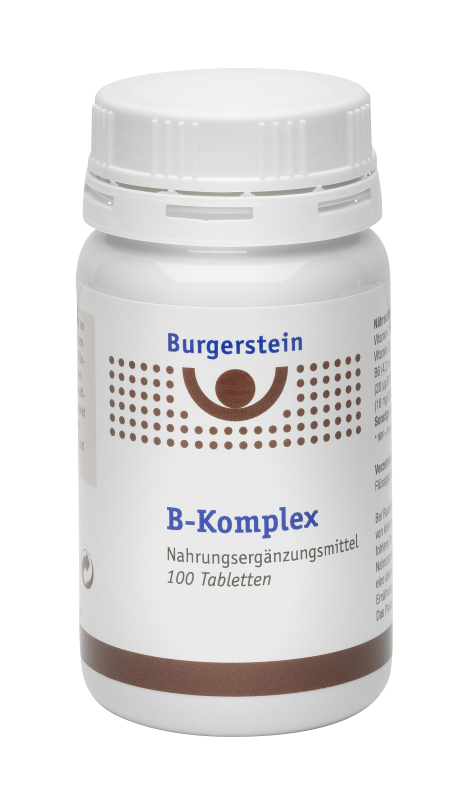
Content: 100 tablets (€0.21* / 1 tablets)

Content: 60 capsules (€0.28* / 1 capsules)

Content: 60 tablets (€0.43* / 1 tablets)

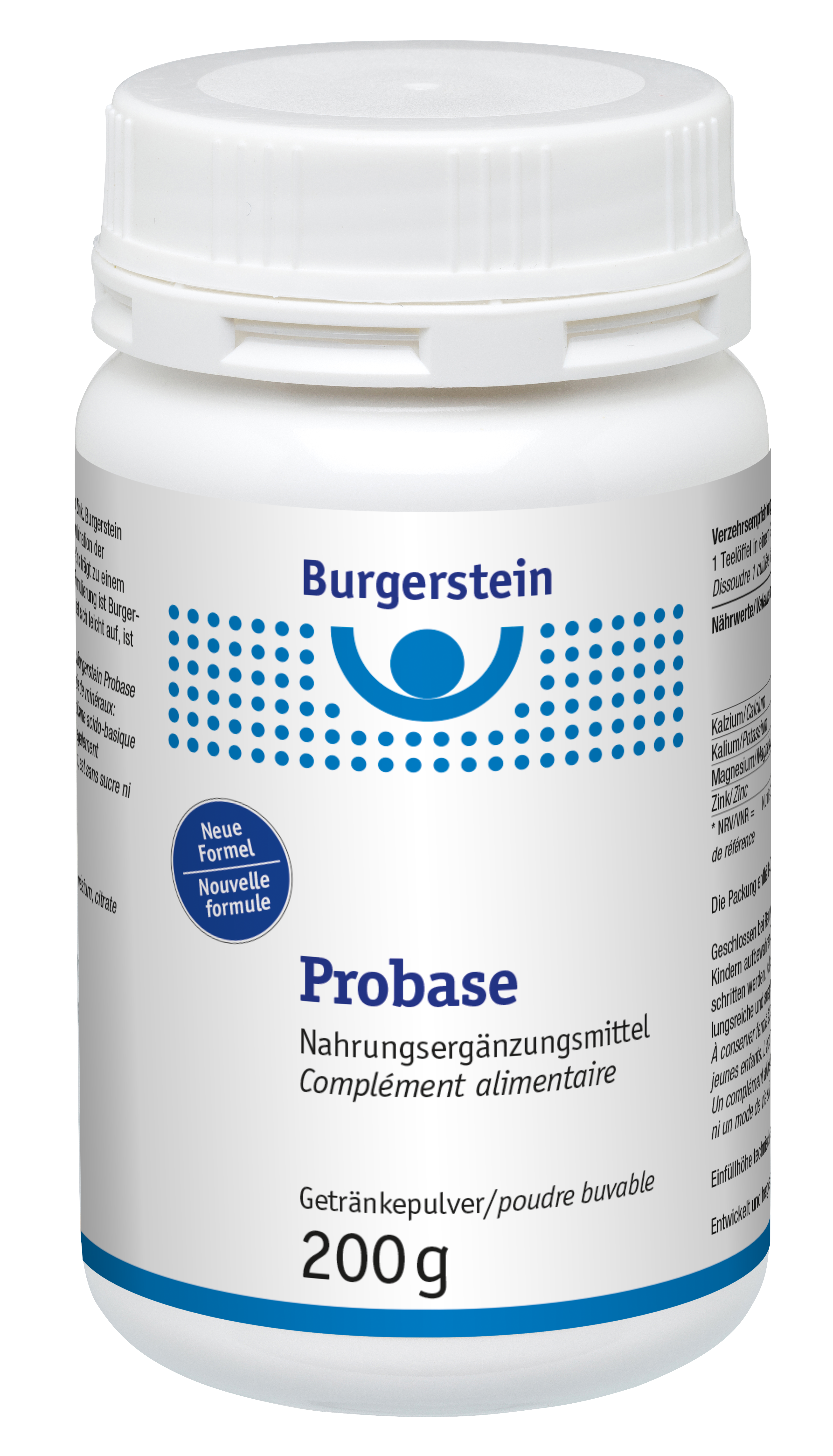
Content: 200 gram (€121.15* / 1000 gram)

Content: 30 bag (€1.21* / 1 bag)

Content: 180 gram (€132.89* / 1000 gram)

Content: 150 ml / liquid (€0.16* / 1 ml / liquid)

Content: 60 capsules (€0.38* / 1 capsules)

Content: 50 capsules (€0.44* / 1 capsules)

Content: 180 tablets (€0.44* / 1 tablets)

Content: 90 capsules (€0.32* / 1 capsules)

Content: 60 capsules (€0.66* / 1 capsules)
Weitere interessante Produkte:

Content: 100 Lozenges (€0.44* / 1 Lozenges)

Content: 110 gram (€192.45* / 1000 gram)

Content: 100 capsules (€0.51* / 1 capsules)
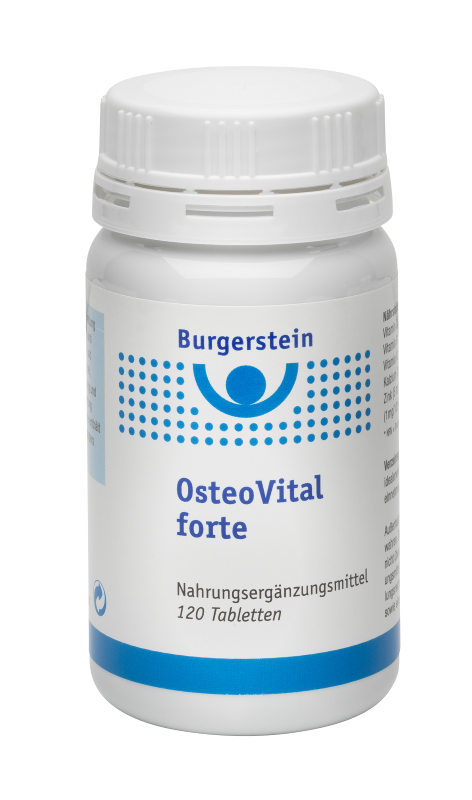
Content: 120 tablets (€0.31* / 1 tablets)
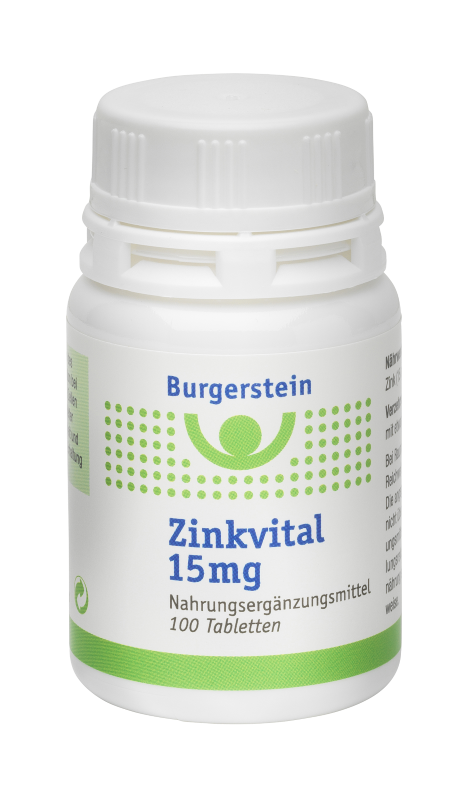
Content: 100 tablets (€0.19* / 1 tablets)